In recent times, the European Union (EU) and the United Kingdom (UK) have witnessed a significant increase in the popularity of vodkas that are not alcohol-based. The trend is completely changing the beverage industry, as many consumers are turning to alcohol-free options without compromising the flavor of their preferred spirits. In this comprehensive exploration we’ll explore an area of liquor that isn’t alcoholic vodka, understanding the reasons behind why it’s becoming extremely popular.
What exactly is Non-Alcoholic vodka?
Non-alcoholic Vodka, sometimes called “alcohol-free vodka” or “spirit alternative,” is a beverage created to resemble the taste and aroma of traditional vodka with no alcohol content. It’s created using a blend of herbs, botanicals in addition to other ingredients that like the traditional characteristics of vodka. The result is a drink that offers the familiar vodka flavor but without the intoxicating effects.
The Appeal of Non-Alcoholic Vodka
The surging interest in non-alcoholic vodka is due to several factors. Firstly, the health and well-being trends that are sweeping across the EU and UK have led consumers to make more informed choices regarding their beverages. Non-alcoholic vodka is in perfect alignment with the current trends and allows people to enjoy the tastes of vodka without the negative health consequences that are associated with alcohol consumption.
In addition, the younger generations including Millennials as well as Generation Z, are driving this change. These demographic groups are more aware of their health and increasingly opting for alcohol-free alternatives. So, non-alcoholic vodka is now a preferred choice for some of the population.
Recent market data supports this trend, indicating an increase of a large proportion in selling of alcohol-free spirits, such as vodka alternatives. People are constantly seeking these options, both at physical stores as well as online, because they want to find satisfying alternatives to traditional alcohol drinks.
While we continue our journey in this section, we’ll look deeper into how the factors are driving the rise of non-alcoholic vodkas in the EU as well as the UK. In the next part we’ll reveal the essential contribution of health and wellness trends in the increasing popularity of this distinctive alternative to spirit.
The Appeal of Non-Alcoholic Vodka
The appeal of non-alcoholic vodka has many facets and is well-received by consumers who are becoming increasingly conscious of their health and mindful of their drinking ways. Let’s take a examine why this style is becoming popular.
Healthy and Wellbeing Trends
The movement to improve health and wellbeing has been growing in recent time. People are becoming more aware about the consequences on their eating habits in addition to the drinks they drink. This has resulted in significant changes in taste and many people are seeking alternatives that let them have the flavor they like without compromising their health.
Non-alcoholic vodka perfectly fits into the health-focused mindset. It provides an option for those who want to savor the taste of vodka cocktails without the damaging health effects associated with alcohol. This is the trend that has been embraced by all kinds of people whether fitness-minded people looking to maintain their active lifestyles as well as those looking to make more health-conscious choices.
Statistics and Data
Recent market surveys and surveys in market research in the EU and UK highlight the growing curiosity in spirits that are not alcoholic. Consumers aren’t only interested in these products and are actively incorporating them into their lifestyles. There is a steady increase in sales and consumption of spirits and vodka that is not alcoholic as well as other alternatives.
In the next chapter we’ll take a look at how changes in preferences of consumers, particularly in younger generations, have contributed to the growing popularity of non-alcoholic vodka on the market.
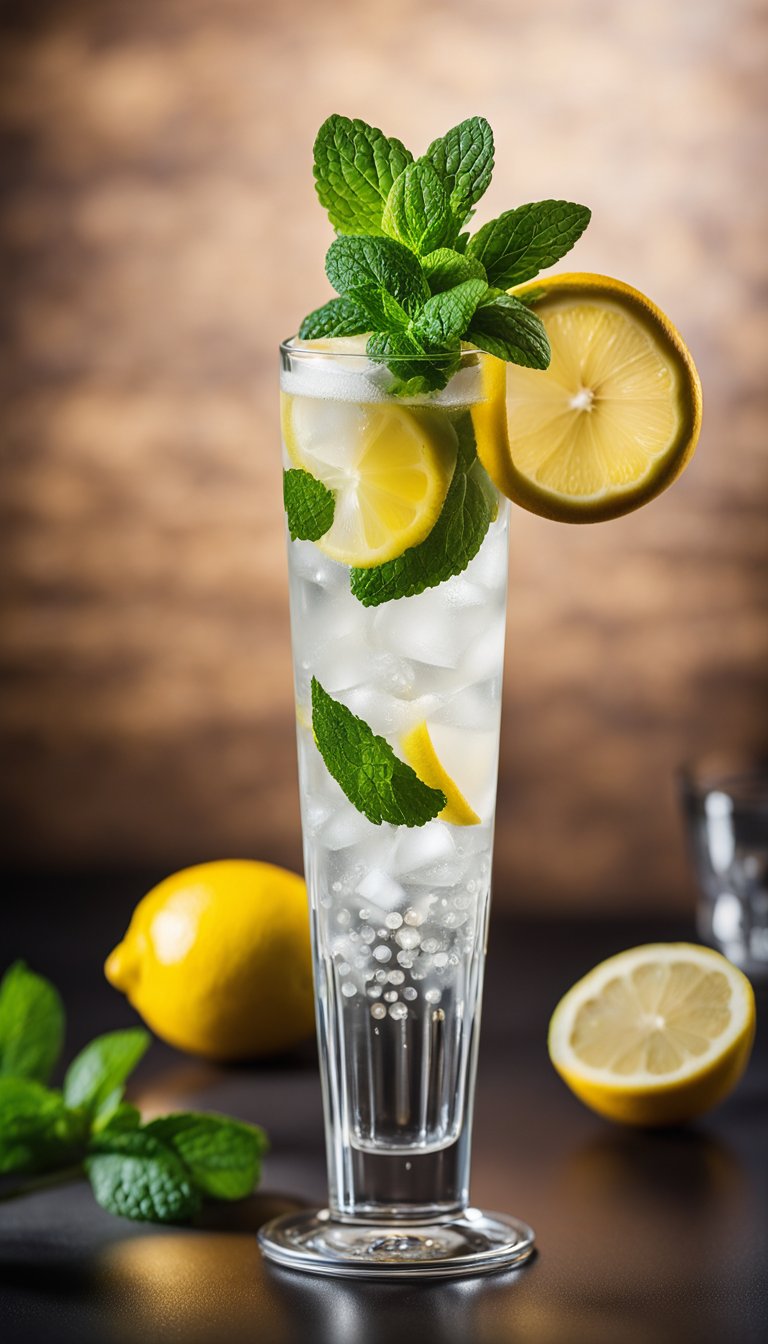
Non-Alcoholic Vodka: A Game Changer for those who are health conscious.
In the prior section we explored this world of non-alcoholic alcohol, and delved into what it is and why it’s growing in popularity across it’s home countries of the European Union (EU) and the United Kingdom (UK). We’ll continue our study of this fascinating trend, we’ll now shift our focus on the factors that are driving the expansion of non-alcoholic vodka in these regions. Particularly, we’ll investigate the vital role played out by well-being and health in the increasing demand for this unique spirit alternative.
Revolution in Health and Wellness Health and Wellness Revolution
The rising popularity of non-alcoholic spirits across the EU and UK is due to the movement towards health and wellness which is spreading across the beverage industry. Consumers, specifically Millennials as well as Generation Z, are increasingly aware of their health and make more mindful decisions when it comes to their drinks.
A healthy alternative
Non-alcoholic vodka is a great option for individuals who want to experience the flavor of vodka without the detrimental consequences for health that come with alcohol consumption. This is in perfect harmony with broader health and wellness trends which are encouraging people to look for alternatives to enjoy their favorite drinks without compromising their health.
People who are active and fitness-oriented
For those who are fitness-oriented and committed to maintaining active lifestyles Non-alcoholic vodka can be a game changer. It addresses the need to have a drink that compliments their exercise routines that are health-focused. It doesn’t matter if it’s for a post-workout gathering or refreshing drink for an exercise retreat, non-alcoholic vodka is the answer.
Wellness-Driven Consumers
People who are concerned about their health are actively incorporating non-alcoholic vodka in their daily diets. It is seen by this group as a positive choice that supports their overall health and contributes to their well-being goals. Since alcohol is not present, it a healthier and more attractive option for those wanting to enjoy the pleasure of drinking vodka cocktails.
Market Statistics Confirm the Trend
Market data from both the EU and UK proves the rise in the demand for non-alcoholic liquors, such as vodka-based alternatives. Statisticians have shown a consistent increase in sales and consumption of these spirits. This confirms the notion that wellness and health is a major driver behind the rise of non-alcoholic vodka.
In the next chapter, we’ll explore the evolving preferences of buyers specifically among younger generations and how these choices are contributing to the shift in market structure. Understanding these shifts is crucial for understanding the larger implications of this shift.
The changing landscape of Consumer Preferences
In the last few time, there has been an apparent shift in consumer preferences, especially among younger generations. Millennials and Generation Z are at the forefront of this transition in defining what it means to drink.
Mindful Consumption
Younger consumers are much more conscious of alcohol consumption. Many have witnessed the effects of drinking heavily in older peers and they are determined to avoid similar risks. As a result, they’re searching for alcohol-free alternatives that allow them to enjoy social gatherings and not suffer the negative side effects of drinking alcohol.
The Experience Economy
Another significant shift is the rise of the “experience economics.” The younger generations value experiences over possessions. Going out and having a blast doesn’t necessarily mean drinking alcohol. Instead, they’re interested in exciting experiences, and non-alcoholic vodka is perfectly suited to the story.
The Rise of Mocktails
Mocktails, also known as non-alcoholic cocktails have been enjoying huge acclaim among the young generation. These sophisticated, alcohol-free drinks are not just a way to substitute for traditional cocktails, they are considered to be a distinct and satisfying experience in their own right.
What’s Next?
As we’ve observed, health and wellness trends and the changing preferences of consumers are driving the rise of non-alcoholic vodka in both the EU as well as in the UK. In the following section we’ll look at the economic effects of this trend in particular, its impact on beverage industry and the potential for growth and innovation.
Wholesale Made Easy: Direct Orders from Swedish Distillers for Quality Non-Alcoholic Spirits!
The Economic Impact of Vodka that isn’t Alcoholic A booming market
In our travels through the world of non-alcoholic vodka we’ve investigated the beginnings of the fascinating trend and deduced the importance of health and wellness in its rise within market segments like EU as well as UK markets. In the next installment of our series we explore the economic implications of the non-alcoholic vodka phenomenon.
Un Market in the Rise
The market for non-alcoholic vodka in the EU and UK isn’t an exclusive trend. This is a rapidly growing market that has attracted the attention of both the industry and the consumers. Let’s glance at how the market impacts the economy.
Surging Sales
The sales of non-alcoholic vodka have been steadily increasing in recent years, which suggests a thriving and expanding market. This is not a fleeting trend; it’s a continuous consumption pattern that reflects consumer’s shifting preferences. The effect on the economy of this surge can be significant, contributing to the overall revenues to the spirits sector.
Expanding Consumer Base
Non-alcoholic vodka has widened the appeal of spirits to consumers. It appeals to not only those who choose to stay away from alcohol, but also those seeking a diverse selection of options. The expansion of the customer base translates into a growing market size and, in turn and a positive economic outcome.
Investment and Innovation
The rising popularity of non-alcoholic spirits has forced firms to fund research and development. They are striving to develop innovative drinks that appeal to the particular tastes of consumers. Innovation is an investment that not just boosts the quality of product, but also spurs economic growth in the beverage industry.
Employment Opportunities
As the market grows as it expands, so does the demand of skilled laborers across different areas of the industry. From production and distribution to marketing and sales the increasing popularity of non-alcoholic vodka opens up employment opportunities and boosts job growth.
environmental Considerations
Non-alcoholic vodka production is often characterized by less carbon footprint when compared to traditional vodka production, which involves fermentation and distillation. This is in line concern for environmental sustainability making non-alcoholic vodka an attractive choice to eco-conscious consumers.
What Lies Ahead
The economic impact of non-alcoholic vodka in the EU and UK is vast and multi-faceted. The market is growing the sales are soaring as well as creating employment opportunities while also meeting the sustainability goals. In the following section we’ll take a look at the way that the non-alcoholic trend is generating new ideas as well as what customers can anticipate in terms and quality.
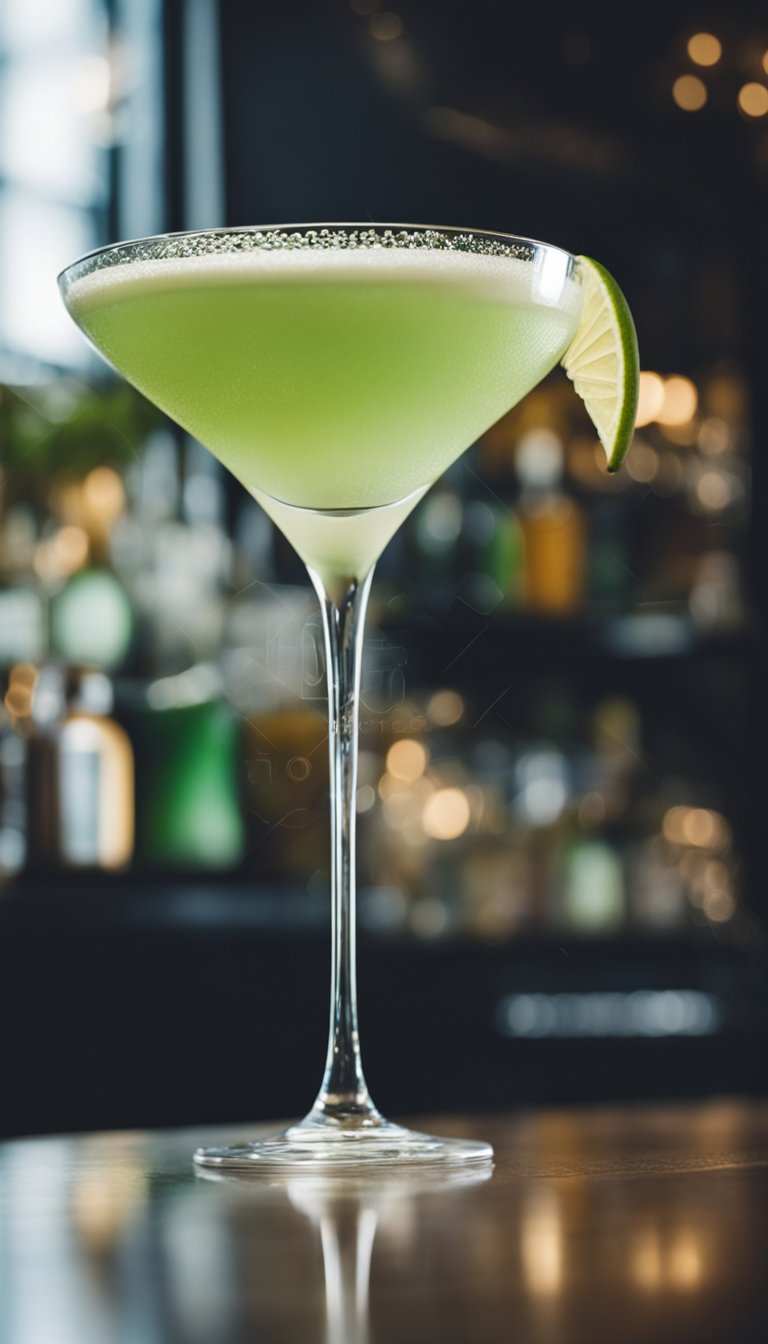
Developments and innovations within Non-Alcoholic Vodka: What’s on the Horizon
In our examination of the non-alcoholic vodka market we’ve explored its long-standing roots and dissected the effects on wellness and health-related trends as well as analyzed its financial impacts. This is the fourth section of our series, we explore the world that is awash with innovation and see what we can expect in the near future of this exciting part of the drink industry.
Innovating with Innovative Ideas
One of the most fascinating aspects of the trend towards non-alcoholic vodka is the ongoing pursuit of creating unique alternatives to traditional alcoholic spirits. This is where we explore the world that is reshaping the non-alcoholic vodka landscape.
Advanced Distillation Techniques
Master distillers are experimenting with advanced methods of distillation that permit them to create alcohol-free spirits that have complex aromas and flavors. These techniques involve the removal of alcohol but keeping elements of ingredients and grains utilized in traditional vodka production.
Flavor Diversity
Non-alcoholic vodka isn’t limited to replicating the taste from traditional vodka. It’s expanding into a broad category of its own with flavors that are different from the traditional vodka profile. It’s possible to find a wide array of options, from fruity infusions to herbal blends.
Transparency and Authenticity
There is a growing demand for transparency and authenticity when it comes to their drinks. Innovative vodka producers in the non-alcoholic market are responding with precise information on sources methods, production methods, as well as ingredients, in order to let consumers know exactly what they’re drinking.
Sustainable Practices
The eco-conscious movement has reached the spirit industry, Non-alcoholic vodka producers are leading the way. The practices of sustainability, like the use of organic ingredients and environmentally friendly packaging are getting more commonplace in this industry.
To meet the demands of consumers
Innovation in the market for non-alcoholic spirits isn’t merely driven by a desire to find novelty. It’s in the midst of meeting the demands of a growing population who want to make better choices in their diet, taste desires, and ethical values.
Health and Wellness
Health-conscious consumers are on the rise, which extends to their beverages. Non-alcoholic vodka, with its low calorie count and lack of alcohol, aligns perfectly with the health and wellness movement.
Lifestyle Choices
As more people embrace being sober or living a low-alcohol life alcohol-free vodka is an attractive option. Whether it’s for designated drivers or pregnant women, or those who want to have an evening out without buzz, non-alcoholic vodka caters to various lifestyles.
Social Responsibility
Responsible drinking of alcohol is an increasing global issue. Non-alcoholic vodka is a concrete symbol of social responsibility offering an alternative that permits individuals to join in social gatherings and not suffer from the negative consequences of alcohol.
What Lies Beyond
In the next part of our series, we’ll look at the impact of non-alcoholic vodka on consumers’ choices and the drink industry as a whole. We’ll go deeper into changes in the preferences of consumers as well as what impact they have on the market.
“The Future of Non-Alcoholic Spirits: A Five-Part Journey
In this five-part series we’ve travelled through the world of non-alcoholic spirits, specifically looking at the fascinating world of alcohol-free vodka. From its historical origins to the revolutionary future ahead it has been a fascinating look at different aspects of this burgeoning business. As we close this series and look ahead, let’s take the time to reflect on our journey and consider the future of non-alcoholic spirits.
Part 1: A Gliss into the Past
In the very first installment of this series we dug into the history of alcohol-free spirits and their historic origins. It was discovered that the idea of alcohol-free alternatives to traditional spirits isn’t nearly as unique as it seem. It was whether it was for medicinal purposes or as the option to drink the non-alcoholic spirit has been an integral part of the human experience for centuries.
Part 2 Part 2: Trends in Health and Wellness
In the second installment, we explored how health and wellness trends have reshaped the industry of beverages, including the growth for non-alcoholic vodka. We explored the evolving attitudes towards alcohol, the demand for healthier alternatives and how these trends impact on consumer choices.
Part 3 of the Economic Impacts
Our journey continued with an in-depth analysis of the economic implications of the non-alcoholic alcohol market. We looked into the forces that drive the market’s growth, including an expanding consumer base as well as the investment pouring into this sector. We also examined the possible difficulties and opportunities ahead.
Part 4: New innovations in Non-Alcoholic Vodka
Our fourth part of the series looked into the world of innovation in nonalcoholic vodka production. We looked into advanced distillation methods and the range of flavors that are available, the production process’s transparency, and sustainability practices creating the future of this industry.
5. What Lies Beyond
In this chapter’s final section, we contemplate the future of non-alcoholic spirits. As the market continues to develop many key changes and trends are likely to impact its future.
Evolving Consumer Preferences
Consumers are becoming increasingly discerning and discerning about their health. The market for spirits without alcohol which match these needs is predicted to increase. Look out for wider assortment of flavors and flavours catering to a variety of tastes.
Ethical and Environmental Considerations
Ethical sourcing and environmental sustainability are no longer an option within the beverage industry. Spirits that are alcohol-free and based on these ideals are likely to grow, and consumers will increasingly favor products that are based on these principles.
Expanding Market Reach
The market for non-alcoholic spirits will continue to grow and expand beyond small-scale consumers. As more people seek alternatives to traditional alcoholic beverages due to various reasons, the market will expand to meet the needs of an increasing number of people.
A Continuous Journey
Our journey through non-alcoholic liquors was just a glimpse of a fast-growing industry. As we bid farewell to this collection, we’re able to see that the journey is far from over. Non-alcoholic spirit’s future presents promising possibilities, and we’ll be on hand to continue exploring them.
Conclusion
This is the case for non-alcoholic spirits. spirit, especially non-alcoholic vodka, is experiencing an upswing fueled by shifting customer preferences, a new approach and ethical issues. In this final installment of the five-part series, we are reminded that this is a continuous process and the future is full with possibilities. You may be a curious consumer or a passionate consumer, remain tuned for the exciting developments to come for non-alcoholic beverages.