alcohol-free spirits
The Rise of Non-Alcoholic Whiskey
In the last few years, there has been a significant change in how we look at drinks. A long time ago, alcohol-based drinks reigning supreme are slowly but definitely giving way for the age of mindful consumption. One of most prominent actors in this shift is whiskey that isn’t alcoholic.
Non-alcoholic Whiskey, also described as “alcohol-free whiskey” (or “whiskey alternatives,” enjoys increasing recognition and attention. This article examines the fascinating development of non-alcoholic whiskey and the reasons it has caught the imagination of consumers, and the reason it’s been popular, particularly among those living in UK.
The evolving Landscape of Beverage Choices
The world of beverages has witnessed a major change. Although alcohol has long been the focal point of celebrations, social gatherings or even relaxation, increasing awareness of health and wellness is transforming the business. The public is more aware that ever before about their alcohol consumption, looking for alternatives that let them take pleasure without the toxic effects.
Enter Non-Alcoholic Whiskey
Non-alcoholic whiskey is a unique development that targets those who are awed by the taste, aroma, and ritual associated with traditional whiskey but prefer to stay clear of alcohol. It offers an authentic whiskey experience without the alcohol content making it a suitable selection for many occasions and those who want to enjoy it, like:
-
Health-Conscious Consumers Alcohol-free whiskey allows those who prioritize their well-being to enjoy the flavors of whiskey without having to compromise their health and fitness goals.
-
Defined Drivers for people charged with bringing friends and family members safely home Non-alcoholic whiskey is a way to ensure they can still enjoy a sophisticated drink.
-
Non-Drinkers Non-alcoholic whiskey can open up new horizons for non-drinkers and gives them access to an entirely different world of flavor and sensory experiences.
What’s the Appeal of Non-Alcoholic Whiskey
The attraction of non-alcoholic whiskey lies in its ability to reproduce the essence of traditional whiskey. Here’s why it has captured all the attention of many people:
Authentic Flavor Profiles
Non-alcoholic whiskey isn’t just an ordinary imitation. It expertly recreates the complex flavor profiles that are found in traditional whiskey. From the peat’s smoke to the richness of oak, these options preserve the authentic taste of whiskey.
Zero Alcohol Content
Alcohol’s absence is a game-changer. Non-alcoholic whiskey allows you to enjoy the taste without any of the associated side effect, like impaired judgement or hangovers.
Versatility
Non-alcoholic whiskey can be extremely versatile. It can be drunk neat in a glass, drink it on the rocks or use it as basis for a variety of alcohol-free drinks. The possibilities are limitless.
Social Inclusion
With a non-alcoholic bottle of whiskey it is possible to take part in toasts and celebrations, without feeling left out. It helps to promote social integration while respecting your personal preferences.
With the demand for alternatives that aren’t alcohol-based grows as the demand for non-alcoholic whiskey doesn’t just represent just a passing trendaEUR”it’s there to stay. In the next section we’ll explore more of the market for non-alcoholic whiskey in the UK and the brands that are driving this trend. So, stay tuned to find the most effective options for your alcohol-free whiskey adventure.
Transform Your Business with Direct Orders from Swedish Distillers’ Non-Alcoholic Range!
Studying the UK’s Non Alcoholic Whiskey Market
The increasing need for whiskey that is not alcoholic is not exclusive to one particular region but is spreading across the world. Particularly, there is a growing demand in the United Kingdom has witnessed a rise in interest and the availability of non-alcoholic whiskey choices. In this article we’ll look into the market for non-alcoholic spirits in the UK and explore its development its key players, as well as why it has become a popular destination for these alcohol-free options.
A Nation’s Revolving Tastes
The UK is known for a long time for its love affair with whiskey. From the peaty single malts of Scotland to the luxurious and smooth blends, whiskey has long been a major part of British culture. However, as the globe shifts to healthier living and conscious drinking, the UK has changed its habits to match.
Health and Wellness Wave
The emergence of health and wellness-related trends has left a permanent impact on Britain’s drink choices. Many individuals are choosing to limit their consumption of alcohol, or abandon it altogether. This change in perspective has led to a demand for alternatives that offer the flavor and experience of whiskey without the alcohol content.
Zero-Proof Pioneers
The UK has seen an increase in creativity when it comes to non-alcoholic or zero-proof beverages. This has extended to whiskey alternatives, as brands utilize their experience to develop alcohol-free alternatives that will appeal to discerning British taste.
Important Players that are part of UK’s Non-Alcoholic Whiskey Scene
A variety of brands have played a crucial role in making non-alcoholic whiskey an essential ingredient in the UK. We’ll take a closer review of some prominent players.
Lyre’s
Lyre’s is an acclaimed brand with a wide selection of non-alcoholic spirits. These include whiskey. They’ve been at top of the alcohol-free beverage movements in the UK, offering a variety of whiskey options to cater to different taste preferences.
Borrago
While Borrago primarily specializes in non-alcoholic gin, they have recently also launched whisky that is alcohol-free. Their passion for crafting sophisticated flavors and delicious zero-proof options have created a loyal following across the UK.
Seedlip
Seedlip while renowned as a non-alcoholic vodka, has also diversified its offerings to include unique whiskey alternatives. Their dedication to using natural ingredients and spices to duplicate the richness of the whiskey’s classic flavors has helped make them a popular choice among UK customers.
Why the UK?
The United Kingdom’s embrace of non-alcoholic whisky can be due to a mix of factors:
-
A Cultural Tradition While the UK loves its whiskey, it is also proud of its customs. Non-alcoholic whiskey enables people to continue to follow these traditions while not harming their health or lifestyle choices.
-
Diverse Palates: The UK’s diverse population has led to a diverse assortment of flavor preferences. Non-alcoholic whiskey options accommodate this diversity, offering a variety varieties of flavors that will suit diverse palates.
-
Worldwide Influence: As the UK is strongly influenced worldwide, the emergence of non-alcoholic spirit across the globe has naturally left their mark on the country’s beverage scene.
In the coming section in the next section, we’ll go over specific options of non-alcoholic whiskey available in the UK, helping you discover the best options for your alcohol-free whiskey tasting experience. So, if you’re curious to try the different flavors and experience of non-alcoholic whiskey, keep studying to find the perfect one for your taste.
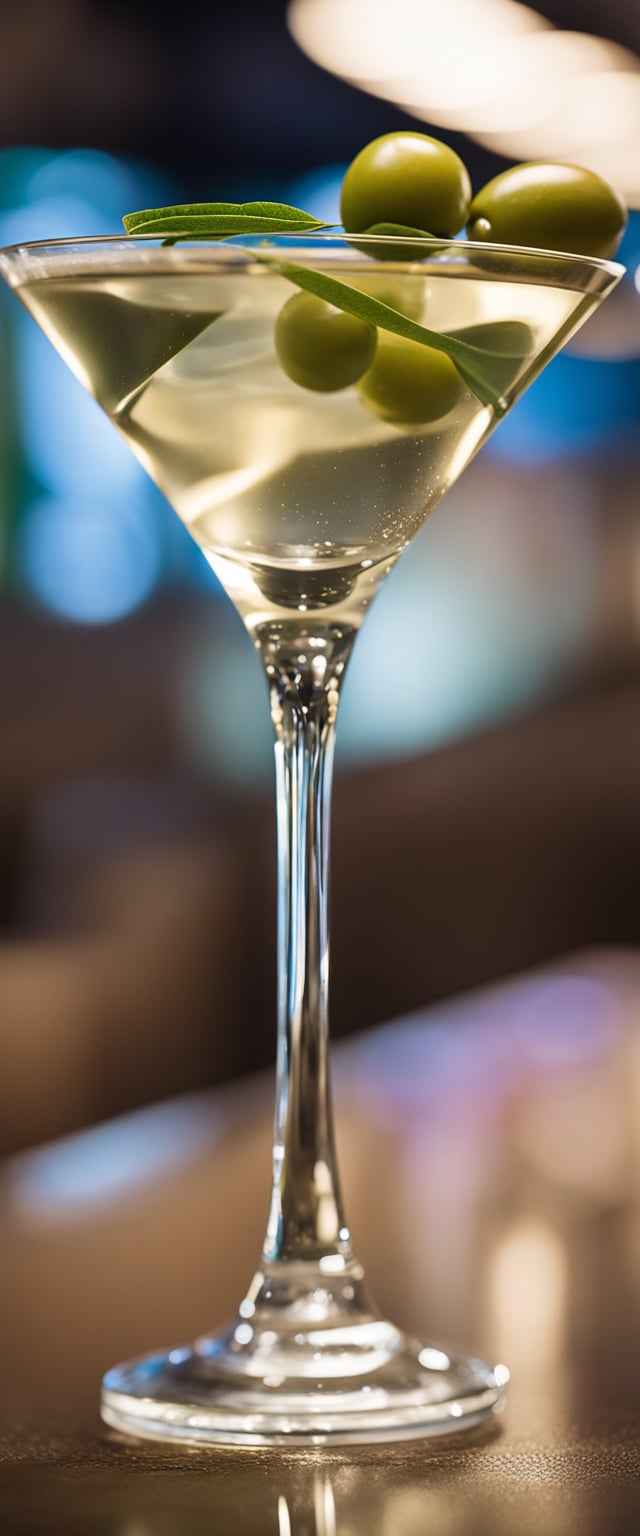
It’s the Rich Tapestry of Non-Alcoholic Whiskey Flavors
If you’re looking for non-alcoholic beverages, the range of flavors that can be found in non-alcoholic whiskey options is nothing short of remarkable. Every brand brings its distinct taste to the creation of alcohol-free whiskeys, making it an exciting journey for enthusiasts seeking complex and varied tastes. In this article we’ll be exploring the rich tapestry of flavors that non-alcoholic whiskey has to offer including sweet, smoky as well as everything between.
A Whiskey Spectrum
Non-alcoholic whiskey has progressed a great distance from being merely an imitation of alcohol. There are now a myriad of flavours that satisfy various preferences. Let’s take a look at some the prominent flavor profiles which you’ll come across:
Classic Oak and Vanilla
The flavor profile is like traditional whiskey. It has notes of vanilla and oak, and caramel. It appeals to those who appreciate the classic taste of whiskey and prefer an easy, smooth experience.
Smoky and peaty
For lovers of peaty scotch There are alternatives that aren’t alcoholic that provide the essence of smoky earthy, earthy flavors. These varieties offer a bold and distinct taste that’s guaranteed to please fans of smoky whiskeys.
Spicy and Bold
If you are a fan of the spicy spice of whiskey, there are non-alcoholic alternatives that mimic the spice’s robust taste. You will find notes of cinnamon, nutmeg, and other spices that provide warm sensations.
Sweet and Fruity
For those with desires for sweetness There are non-alcoholic whiskeys which have sweet and dessert tastes. These whiskeys usually have hint of apples, pear, or even chocolate, making them a delightful treat.
Herbaceous as well as Floral
Non-alcoholic whiskey may also contain floral and herbaceous aromas, akin to botanical gin. These types of whiskey include elements like rosemary, lavender, and citrus for the most refreshing and aromatic taste.
Exploring Non-Alcoholic Whiskey Brands
In order to taste this diversified array of flavors, be sure to test out a range of non-alcoholic whisky brands. Here are a few of the most popular whiskey brands to help you get started:
Lyre’s
Lyre’s has a variety of non-alcoholic whiskey alternatives that offer a variety of tastes. Whether you’re in the mood to enjoy the classic flavors of vanilla and oak, or the smoky allure of whiskey with peat, Lyre’s has you covered.
Borrago
While Borrago is most well-known for its non-alcoholic gin they also make distinct whiskey options that boast intense and bold flavors. It’s a great option for those who enjoy a little heat in their drinks.
Seedlip
Seedlip, well-known by its non-alcoholic gin, has also made a move into whiskey-like products. Their commitment to botanicals is why you’ll get floral and herbaceous flavorings throughout their range of products.
Perfect Pairings
One of the great things about non-alcoholic whiskey is its flexibility. It can be enjoyed straight or in a cocktail or in drinks that taste delicious. If you’re in search of a comforting nightcap or a refreshing drink for the day, non-alcoholic whiskey can be customized to suit your specific needs.
As we’ve explored a myriad of flavours and brands that are available on the market of alcohol-free whiskey, our exploration isn’t over. In the next part this article, we’ll examine the art of non-alcoholic whiskey cocktails and reveal recipes that will take your taste experience to new levels. So, if youre ready to shake, mix, and stir your way through whiskey-infused delights, continue reading to explore the world Whiskey drinks that’re alcohol-free.
Making Non-Alcoholic Whiskey Cocktails: A Masterclass
In our continuing journey towards the world that’s non-alcoholic whiskey, we’re at an exciting point in” an art in making non-alcoholic whiskey cocktails. In this section, we’ll explore how you can use non-alcoholic whiskey to prepare a range of exquisite cocktails that are refreshing and sophisticated. When you’re hosting an event or simply relaxing after a long day, these recipes are sure will lift your spirits.
The Most Essential Non-Alcoholic Whiskey Cocktails
1. Nojito
Ingredients:
- 2 oz of non-alcoholic whiskey
- 1 oz fresh lime juice
- 1 oz simple syrup
- 6-8 fresh mint leaves
- Soda water
- Lime wedges and mint sprigs to garnish
Instructions:
- On a serving glass mix the mint leaves and simple syrup.
- Mix in the non-alcoholic whiskey and lime juice.
- Fill the glass completely with ice. Then the top with soda water.
- Sprinkle with a lime wedge as well as one sprig or mint.
The Nojito is a non-alcoholic take on the traditional Mojito. It’s refreshing to cool days, or for the perfect aperitif or cocktail.
2. Whiskey Sour Mocktail
Ingredients:
- 2 oz of non-alcoholic whiskey
- 3/4 oz fresh lemon juice
- 1/2 oz simple syrup
- Limon wheel as well as maraschino cherries to garnish
Instructions:
- Fill a cocktail shaker with some ice.
- Include non-alcoholic whiskey, lemon juice, and simple syrup.
- Shake vigorously till well chilled.
- Pour the mix into a glass of rocks filled with the ice.
- Serve with lemon wheels as well as a maraschino cherry.
This Whiskey Sour Mocktail retains the flavor of the classic cocktail while giving a sophisticated and refreshing citrus kick.
3. Alcohol-Free Old Fashioned
Ingredients:
- 2 oz non-alcoholic whiskey
- 1 sugar cube
- 2-3 dashes Angostura bitters
- The orange peel and maraschino cherries to garnish
Instructions:
- Place the sugar cube inside an old glass.
- Mix in the Angostura bitters and an ounce of water.
- Mix the sugar until it’s dissolved.
- Pour ice into the glass and pour in the whiskey that is not alcoholic.
- Mix well to mix.
- Garnish with a twist of orange peel and a maraschino cherry.
The Old Fashioned, which is alcohol-free, will capture the essence and flavor of the classic cocktail, thanks to its rich and mellow flavor.
The Creative Process
Making non-alcoholic whiskey cocktails involves more than just mixing ingredients. It’s an art form that allows the experimentation of flavors along with textures, as well as presentation. Here are some suggestions to spark your creative juices:
1. Fresh Ingredients
Always make use of fresh fruits or herbs and top quality mixers to improve the overall flavor of your cocktails. Freshness elevates the drinking experience.
2. Balancing Act
Balance is key when making cocktails that are balanced. It is important to ensure that the sweetness acidity and bitterness are well blended.
3. Garnishes Matter
Garnishes can not only add visual appeal but also contribute to the aroma and taste of the cocktail. Explore different garnishes and discover your preferred combination.
Sip Responsiblely
While non-alcoholic whiskey cocktails offer the experience of traditional cocktails with no alcohol content It is important to drink responsibly. They are appropriate for any occasion regardless of whether you’re celebrating a special event or simply unwinding on a calm evening.
In our final chapter, we’ll bring our journey through an alcohol-free world to an end by summarizing our discoveries and leaving you with some parting ideas about this thrilling growing and ever-changing world. So, let’s toast to cocktail cocktails with no alcohol and be ready for the last chapter of our journey.

The World of Non-Alcoholic Whiskey: A Comprehensive Guide (Part 5 of 5)
Welcome to the fifth and last part in our extensive guide for non-alcoholic whiskey. The guide has taken us on an intriguing adventure through the world alcohol-free spirits, examining their genesis, types and their culinary uses. In this final chapter, we’ll discuss our findings as well as reflect on the exciting trends and possibilities that lie ahead in the realm of non-alcoholic whiskey.
Recap of Our Journey
Before we go into how we can improve the quality of our non-alcoholic whiskey, briefly review what we’ve learned in preceding sections:
1. Understanding Non-Alcoholic Whiskey
In the first part of our guide, we introduced you to the concept of non-alcoholic whisky, delving into its history along with its production processes and the science behind creating alcohol-free alternatives. We discovered that the realm of non-alcoholic whiskey is a testament to the power of innovation and craft.
2. A look at the various kinds of non-alcoholic Whiskey
In the final installment we took a closer look at the diverse types of non-alcoholic whiskeys out there. From spicy and strong varieties to aromatic and mellow varieties We learned that there’s a non-alcoholic whiskey that can please every palate.
3. Non-Alcoholic Whiskeys in the Culinary World
Our third article examined the culinary possibilities of non-alcoholic whiskey. We learned how chefs and mixologists are using these alcohol-free choices into their creations such as savory dishes and sophisticated cocktails. The wide range of non-alcoholic whiskey can be the ultimate culinary pleasure.
4. The art of making non-alcoholic whiskey cocktails
The fourth chapter of our guide we put on our sleeves, and got to work making alcohol-free whiskey drinks. We presented recipes for classic mocktails like those of the Nojito as well as the Whiskey Sour Mocktail, as and an alcohol-free take on the Old Fashioned. These recipes provided a glimpse of the creative and artistic possibilities available to those that step into the world the world of alcohol-free mixology.
The Future of Non-Alcoholic Whiskey
As we come to the end of our journey in the spirit of reminiscing about what the future is for non-alcoholic whisky. Here are some interesting trends and possible futures to look out for:
1. Expanding Product Offerings
Non-alcoholic whiskey’s demand is on the rise and the manufacturers are responding with an ever-expanding range of choices. We can anticipate new flavors and designs in order to meet the needs of different palates.
2. Culinary Innovation
The culinary industry will continue to experiment with non-alcoholic whiskey as they push the boundaries of what is possible. From gourmet dining experiences to home cooking, these spirits will become integral ingredients in exciting new dishes and beverages.
3. Health and Wellness Focus
Non-alcoholic whiskey matches the growing emphasis on health and wellness. As consumers seek alternatives to traditional alcoholic drinks, we can anticipate more health-conscious options and marketing initiatives.
4. Mixology Mastery
The craft of non-alcoholic mixology will continue to evolve, mixingologists experimenting with new methods and ingredients. The art of creating non-alcoholic cocktails will grow more sophisticated and appreciated.
Conclusion
In closing our journey across the globe of non-alcoholic whisky, we’ve found a wealth of flavors, historical and new ideas. If you’re a whiskey lover or a foodie, or someone who is on a healthier path, non-alcoholic whiskey offers an array of options for all.
This comprehensive guide has proved informative and exhilarating. If you decide to venture into this world of non-alcoholic whiskey, keep in mind that your options are unlimited. With the continued growth as well as the constant innovation in this market this journey is only beginning.
Here’s to raising your glass aEUR” filled with non-alcoholic whiskey at least AEUR” to the exciting times of this dynamic and ever-evolving world. Happy exploration and enjoyment of the world of non-alcoholic whiskey!
We thank you for taking us on this odyssey through various non-alcoholic whiskeys. We hope you’ve had a great time and that you’ll continue to explore experiments, discover, and enjoy the delights of non-alcoholic whiskey for years to come.
Recap of All Articles included in this Special
If you’ve misplaced any article in our comprehensive guide We’ve provided links on all the articles to your convenience:
- Part 1: The basics of non-alcoholic whiskey – An intro to whiskey made of alcohol that’s non-alcoholic. Its background, and its production.
- Part 2: The Types of Whiskey that is Non-Alcoholic – An in-depth look at the different styles and types of alcohol-free whiskey.
- 3. Non-Alcoholic Whiskey within the Culinary World – How chefs and mixologists are using non-alcoholic whiskeys in their creations.
- Part 4: Making Non-alcoholic Whiskey Cocktails Recipes and helpful tips for making delicious whiskey cocktails.
We are grateful to you for your participation of our journey into this world that is non
Theemergence” of Non-Alcoholic Spirits
In the last few years, there’s been a huge change in how we think about drinks. The traditional alcoholic drink is no an option for people looking to relax or socialize. As health-consciousness and responsible drinking have become more commonplace alternative options for non-alcoholic drinks are beginning to gain recognition. In the plethora of options available alcohol-free spirits have taken off as a major trend, particularly within the United Kingdom.
In this article, we’ll examine the fascinating world of non-alcoholic spirits as well as their astonishing growth in popularity. We’ll investigate the reasons behind this movement and the way it aligns with the preferences of tea drinkers within the UK.
The global trend toward non-alcoholic Beverages
Before we look into the specifics about non-alcoholic spirits It is crucial to grasp the wider context. The world over, there was a significant shift in the preferences of consumers when it comes to beverages. People are becoming more mindful of their health and mindful of what they consume. This has resulted in the demand for non-alcoholic alternatives that allow individuals to relish the tastes along with the social and cultural rituals associated with drinking but without the need for alcohol.
One of the key drivers behind this trend is the need to live a healthy and responsible lifestyle. Many are choosing to lessen their consumption of alcohol or avoid alcohol altogether. The reason for this could be issues with fitness, health, pregnancy, or simply seeking to enjoy a night out without the negative effects of alcohol.
The Non-Alcoholic Spirits Phenomenon
Non-alcoholic spirits have been at the leading edge of this drink revolution. These unique products are made to mimic the taste, aroma and quality of traditional alcoholic spirits, however with no alcohol content. They are produced using mixtures of botanicals herbs, spices, and other natural ingredients in order to provide an aroma-rich and flavorful experience that is very similar to the real thing.
The rising popularity of non-alcoholic spirits can be attributed to various variables:
-
Sophisticated Palates: The modern consumer has more sophisticated palates and are looking for new and interesting flavors. Non-alcoholic spirits meet their preferences with an array of flavor options and scents.
-
Mixology and Cocktails: Craft cocktail style is growing in popularity and spirits that are not alcoholic are an essential component of this trend. Cocktail bartenders as well as mixologists are incorporating these spirits into inventive mocktails and cocktails, which allow drinkers who are not drinking to enjoy innovative and refreshing drinks.
-
health and wellness: As health and wellness become a mainstay of our lives Alcohol-free spirits are an appealing alternative. They are often low in calories and don’t have the harmful health consequences associated with alcohol.
-
Social Inclusion: Non-alcoholic spirits foster inclusion in social settings. They make sure that everyone, regardless of drinking habits can fully enjoy gatherings and celebrations.
Non-Alcoholic Spirits, Tea Lovers in the UK
Let’s be a part of bringing this trendy trend closer home, and specifically to the UK as a nation that is famous for its love for tea. The UK has a rich tea culture with a wide array of teas consumed in a day, such as traditional herbal teas or black. Tea is more than only a beverage in UK It’s a way of life as well as a way of life. an integral part of the way of life.
Tea lovers in the UK have been enjoying the subtleties of flavor smell, and the quality of their brews. They understand the art of tea making and enjoy the pleasure of sipping a well-brewed cup. The new trend of non-alcoholic spirit drinks provides the possibility of a fresh perspective to their tea drinking.
In the next section in the next section, we’ll look into the culture of tea in the UK and look at the different types of tea that are beloved by the people who live there. We’ll also look at how the introduction of non-alcoholic spirits fits with the tastes of Tea lovers across the country.
When we begin this exploration of tea and non-alcoholic spirits, be prepared to explore how these seemingly distinct worlds may come together to create delightful and creative experiences.

The U.K.’s Love Affair with Tea: Examining Its Diverse Culture
As in the United Kingdom, tea isn’t simply a drink. It’s an institution of culture. Tea has been an integral element of British life throughout the centuries, influencing daily routines, social gatherings as well as the identity of the nation. To fully appreciate the importance of non-alcoholic beverages for tea people in the UK the first step is to discover the richness of British tea tradition.
National Tea Enthuasists
The British are a nation with a deep and long-lasting relationship with tea. It’s estimated that a typical Briton consumes around 100,000 cups of tea in their life time. But it’s not just about the quantity of tea, it’s about the quality and appreciation.
Different kinds of Tea
The UK offers a vast array of teas. From the classic and robust English Breakfast tea to the delicate and floral scent of Earl Grey, there’s a tea that will please everyone’s palate. Herbal infusions such as chamomile, peppermint, as well as fruit teas have found their place in British teapots.
Tea Rituals
Tea isn’t just being a beverage. It’s an integral part of the ritual. The perfect British afternoon tea, complete with the delicate sandwiches or cakes, as well as scones are a long-standing tradition. It’s a chance to have a conversation with friends, relaxing, and savoring the taste of freshly brewed tea.
The Social Function of Tea
Tea has played an historically important place in British society. It’s been a source of relaxation through difficult times, a symbol of hospitality and also a catalyst of social gatherings. The expression “put your kettle in” can be interpreted as offering the comfort of camaraderie and a sense of security.
The Intersection of Tea and Non-Alcoholic Spirits
As we’ve discovered, tea is a favorite inside the hearts of British. However, how does this love for tea connect with the growth of non-alcoholic spirit?
Flavor Synergy
One of many remarkable characteristics of non-alcoholic spirits is their ability to imitate the rich flavors typically found in alcoholic drinks. This can open up new possibilities for tea lovers who can now investigate unique flavor combinations. Imagine a rich, smoky lapsang tea mixed with a alcoholic whisky alternative, or a zingy Earl Grey infused with a non-alcoholic Gin.
Cocktail Creativity
Tea cocktails have grown in popularity in recent years, and non-alcoholic spirits are key ingredients in this trend. If you are a tea lover who likes exploring mixology adding spirits that are not alcoholic opens the possibility of endless possibilities. Imagine a refreshing tea cocktail that is infused with botanical non-alcoholic Gin or a smoky chai tea latte infused with a non-alcoholic spiced liquor alternative.
Health and Wellbeing
Tea drinkers tend to be concerned with health and wellness. Non-alcoholic spirits support this notion since they’re made from natural ingredients that are devoid of alcohol’s adverse effects. This means that tea drinkers are able indulge in creative tea-based concoctions but without losing their commitment to the healthy lifestyle.
Tea and Non-Alcoholic Spirits : A Harmonious Blend
In short, the UK’s strong love of tea as well as the rise of non-alcoholic spirits are not separate phenomena and are rather a perfect blend of both traditional and innovative. Non-alcoholic spirit gives tea drinkers the chance to enhance their tea experience, play with different flavors, and experience their art mixologyaEUR”all while remaining true to their appreciation for the world’s most beloved drink.
In the following section, we’ll explore some exciting blends of spirits and tea and provide tea drinkers with ideas for their own tea-based creations. Get ready to embark on the most delicious trip where tradition meets modernity.
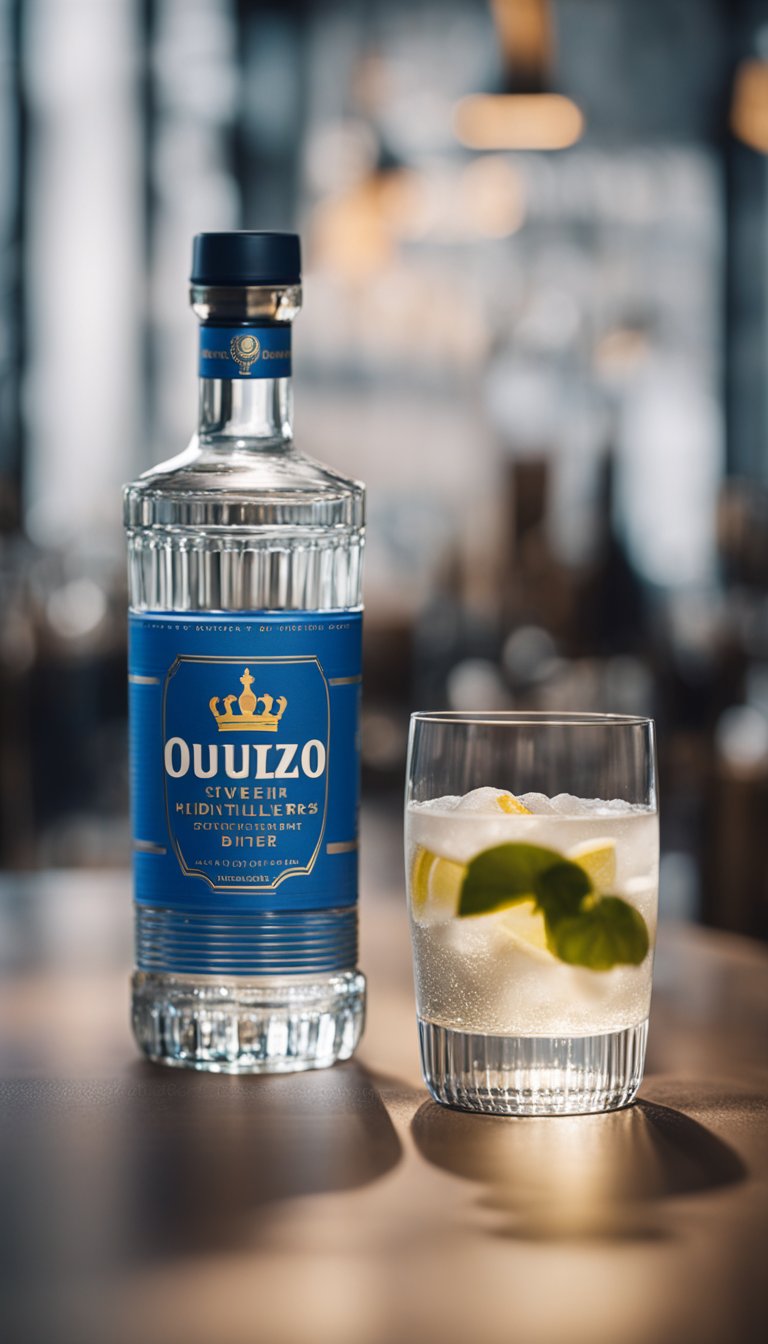
Improve Your Tea Game The Exciting Non-Alcoholic Spirit and Tea Combinations
Within the United Kingdom, where tea is the most loved beverage, tea drinkers are always on the lookout for innovative and new ways to drink their favorite beverage. There’s a new trend in non-alcoholic spiritsaEUR”a trend that’s making waves in the worlds of drinks. In this section we’ll discuss interesting pairings made of non-alcoholic spirit and tea, made to take your tea drinking experience to the next level.
1. Earl Grey Elegance Earl Grey Elegance
The pairing is Earl Grey Tea & Non-Alcoholic Gin
What makes it work: Earl Grey’s distinctive blend of black tea infused with bergamot makes aromas and tastes slightly citrusy base. When you combine it with the botanical sophistication of non-alcoholic gin it’s a refreshing intoxicating tea drink that’s the perfect choice to serve as a classy afternoon tea.
Recipe: Earl Grey Gin Fizz
- Infuse a cup with strong Earl Grey tea and let it cool.
- In a shaker, mix in a shaker, mix Earl Grey tea, 1.5 OZ of non-alcoholic gin, 0.5 OZ of freshly squeezed lemon juice, and 0.5 2 oz in simple syrup.
- Shake well before straining into a chilled bottle filled with some ice.
- Pour on sparkling water and garnish with a lemon twist.
2. The Spicy Chai Experience
Pairing: Chai Tea and the Non-Alcoholic Spiced Rum
What it does: Chai tea is loved for its warm and hot flavors, usually containing the ingredients of cardamom, cinnamon, and cloves. If you combine it with a non-alcoholic spiced rum substitute, you get a delightful mixture of comforting spices perfect for winter nights.
recipe: Spiced Chai Rum Punch
- Take a sip of strong Chai tea.
- In a pitcher, mix the herbal tea with 1.5 1 ounces non-alcoholic spiced alcohol substitute 2 oz apple cider. Then add a splash to maple syrup.
- Stir well and then chill until chilling.
- Serve it over ice and decorate with cinnamon sticks.
3. The Herbal Infusion
Pairing: Peppermint Tea & Non-Alcoholic Herbal Liqueur
Why It’s Work: Peppermint tea’s natural freshness and vitality make it a great companion to herbal liqueurs made of non-alcoholic herbs. This pairing results in a refreshing and herbal-infused beverage that is perfect for a relaxing time.
Recipe: Herbal Mint Delight
- Drink a cup of peppermint tea, then let it cool.
- To make a drink, mix your peppermint drink, 1 ounce of non-alcoholic herbal liquor, and an elderflower tonic splash.
- Mix in ice and garnish with fresh mint leaves.
4. The Fresh Citrus Refresher
Combination: Citrus Green Tea & Non-Alcoholic Citrus Vodka
What it does: Citrus green tea is renowned for its refreshing and revitalizing quality. When combined with non-alcoholic citrus vodka, you’ll have an extremely tangy and vibrant beverage that is ideal for a summer garden event.
Recipe: Citrus Green Tea Sparkler
- Brew a cup of citrus green tea and let it cool.
- In an ice-filled flute, mix the citrus green tea, 1.5 oz of non-alcoholic citrus vodka, and a squeeze of freshly squeezed lime juice.
- Sprinkle with sparkling water and add lime wheels.
5. Sippers: The Smoky Lapsang Sipper
Matching Lapsang Souchong tea and Non-Alcoholic Whisky Alternative
Why It Works: Lapsang souchong tea is famous for its powerful smokey flavor, which is reminiscent of campfires and woodsy notes. It is paired with a whisky that is non-alcoholic alternative, this makes an unforgettable and unique drinking experience.
The recipe is Smoky Whisky Highball
- Lapsang tea is brewed. souchong tea. Let it cool.
- Inside a shot glass, combine the lapsang souchong tea with 1.5 1 oz. of non-alcoholic whisky alternative, as well as a dash of bitters.
- Mix in ice and top with ginger beer.
- Serve with lemon wedges.
These enticing tea and non-alcoholic spirit pairings not only cater to the diverse tastes of tea lovers but they also offer a plethora of creative opportunities. It doesn’t matter if you’re sipping tea in an evening in peace or hosting an afternoon tea the combinations listed below will attract your guests’ attention and increase your tea-making skills.
In the following section we’ll look at the health advantages of these spirit drinks that are non-alcoholic and tea pairings, providing you additional motives to indulge in these tasty concoctions.
Elevate Your Inventory: Purchase Pallets of Non-Alcoholic Spirits Direct from Swedish Distillers!
the Health Benefits of Tea and Non-Alcoholic Spirit Pairings
We’ve covered in the preceding sections, mixing drinking tea in combination with spirits that don’t contain alcohol could create some really thrilling and delicious cocktails. The benefits extend far beyond our taste buds. In this article this article, we’ll take a look at the health advantages of these combinations and how they could positively influence your health.
1. A Low-Calorie Option
Non-alcoholic spirits and tea contain fewer calories than alcohol, making these pairings an excellent option for those trying to control their calorie intake. While alcoholic cocktails can be very calorific due to their alcohol content and sugary mixers, tea-based mocktails are refreshing and refreshing.
Key Benefits:
- You can enjoy your favorite foods without stressing about the calories.
- Ideal for those who are weight-conscious.
2. Antioxidant-Rich Elixirs
Non-alcoholic spirits and tea contain antioxidants that may help combat oxidative stress in the body. Tea, in particular is awash in polyphenols known to have numerous health benefits, including reduced risk of chronic diseases.
Key Benefits:
- Protect your cells from the damage done by free radicals.
- Promote overall health and well-being.
3. Hydration and Vitality
Tea is a water-based beverage that will help you increase your daily fluid intake. When you combine it with non-alcoholic spirits it’s a great option to keep hydrated, especially if you’re not a drinker of water with no flavor.
Key Benefits:
- Keep your body properly hydrated.
- Improve your energy levels and improve your alertness.
4. Digestive Comfort
Certain herbal teas, including ginger and peppermint, are renowned for their digestive benefits. When taken with non-alcoholic drinks these teas may help calm an upset stomach and aid in digestion.
Key Benefits:
- Alleviate digestive discomfort.
- Promote better digestion after meals.
5. Reducing Alcohol-Related Risks
Selecting non-alcoholic spirits over alcohol-based counterparts can significantly reduce the risk of drinking alcohol. You can still be able to enjoy the social aspect of cocktails, but without the negative health impacts.
Key Benefits:
- Reduce the risk of having alcohol-related health problems.
- Make healthy and responsible choices.
6. Relaxation and Mental Releasing
Tea, specifically the herbal variety like chamomile and lavender is renowned for its calming and stress-reducing properties. When mixed with non-alcoholic drinks they can give you some time of relaxation.
Key Benefits:
- Reduce stress and anxiety.
- Promote mental well-being.
7. Versatile Flavor Profiles
The variety of teas as well as non-alcoholic spirits on the market means that you are able to customize your beverage choices in line with your health objectives. No matter if you’re seeking refreshing morning drinks or a calming evening sip There’s a drink that will satisfy your needs.
Key Benefits:
- Create your own drink according to your preferences and taste.
- Explore new flavors and combinations.
Next in this section We’ll be providing you with a few frequently asked questions (FAQs) regarding the pairing of non-alcoholic spirits with tea which address common questions and questions. We’ll also offer expert solutions to aid you in making the most out of these amazing blends. Stay tuned to discover more!
Unlocking the perfect pairings Tea and Non-Alcoholic Spirits
The final chapter of our journey through the world of non-alcoholic tea and spirit pairings. We’ve been on an exciting trip, looking into unique dishes, benefits for health, and the art behind making stunning mocktails. In this final installment, we’ll bring it all together, highlighting key aspects we’ve learned from this journey.
The Recap: A Review of the Journey
Before we dive into the conclusion and summary, we’ll take a look back on the intriguing topics that we’ve explored in this collection of articles:
1. Explore the World of Tea and Mocktails
In our initial article, I introduced to you the idea of pairing tea and non-alcoholic spirits. We set the scene for an exciting exploration of flavors and choices. We outlined the basics of making delightful tea-based mocktails. We also laid the foundations of your mixology exploration.
2. The Crafting of Mocktails: A Travel of Flavor
Our second article was all about the art of making mocktails. We dived deep into the creative process and gave recipes for a variety in enticing teas and alcohol-free cocktail combinations. From the exotic fusions to the herbal harmonies We taught you how get the hang of making mocktail mixology.
3. Benefits for Health Benefits of Tea and Non-Alcoholic Spirit Combinations
In our third piece in the third article, we took a break in order to study the advantages of these healthy combinations. From low-calorie options to antioxidant-rich drinks, we discussed how tea and non-alcoholic spirits can enhance wellness, providing energy and nourishment.
4. Lift Your Senses: The perfect pairings
Our final article was a delight to the senses, featuring some of the most exquisite pairings you can create. We made sure to pair specific teas along with non-alcoholic spirits of the same type giving you a wide range of scents and flavors. You were taught how to enhance your senses and take pleasure in every sip.
5. The Harmony of Flavors, Health Benefits, and Harmony
In this last article we’ve drew on the knowledge and inspiration from the previous four articles. We’ve explored the ways that these combos can provide low-calorie, antioxidant-rich hydrating, and digestive benefits. You’ve experienced the pleasure in making health-conscious, responsible choices as well as moments of mental relaxation.
A Sip of Conclusion
As we close this series, we can see that the combination of alcohol-free spirits and tea is more than just a trend. It’s a health and culinary experience eagerly awaiting exploration. If you’re a tea-loving person or a cocktail enthusiast or simply want to make healthier beverage choices The pairings below have something to provide.
In a society where flavor and health coexist alcohol-free spirits and tea are a perfect match for your palate and improve your health. They provide a vast platform for your creativity, and help you live enjoying a balanced and relaxing life.
So, when you embark on your own quest for drinks and teas that are not alcoholic make sure you enjoy their flavors, enjoy the health benefits as well as have fun. Try out new recipes, develop your own, and share your discoveries with other people. The possibilities are endless and your taste buds will be your guide.
A Toast To New Beginnings
When the virtual glass is raised to celebrate the conclusion our series also give them a fresh start. Your journey through the world of tea and non-alcoholic drinks is just beginning, and there are an abundance of recipes, flavors and new experiences waiting for you.
No matter if you’re planning a cozy evening at home an intimate gathering, or a moment of personal indulgence, these pairings will be your companions on the path to memorable and meaningful times. So, take a step forward and explore. Create, sip, and savor. But most importantly, you should enjoy the moment with people in your life.
Thank you for joining us on this exciting journey throughout the universe of non-alcoholic spirits and tea pairings. We’re looking forward to hearing about your unique creations as well as experiences. Until next time have a great time sipping and cheers to a lifetime filled with delicious balanced, healthy and mindful drinks.
Recap of the Series
Let’s review the most important points from our five-part series about tea and non-alcoholic spirit pairings:
-
Discovering the World of Tea and Mocktails:
- Introduced the idea of combining tea with spirits that are not alcoholic.
- Set the stage for exploring flavors and mixology.
-
Making Mocktails: A Exploration of Flavor:
- Discovered the art of creating mocktails.
- I shared recipes for various mocktails made with tea.
-
Dietary Benefits of Tea and Non-Alcoholic Spirit Pairings:
- We discussed the health benefits of these dietary combinations, including the reduction of calories and antioxidants.
- Insist on making responsible, health-conscious choices.
-
Enhance Your Senses: The Perfect Combinations:
- Researched specific teas as well as non-alcoholic spirit pairings.
- The diverse tastes and aromas you can create.
EU Regulations on Alcohol-Free Drinks: A Complete Guide
With regard to beverages, the term “alcohol-free” is gaining enormous traction. As more and more people are opting for non-alcoholic alternatives for many reasons, including fitness, personal preference in addition to lifestyle choice. While the need for alcohol-free drinks grows as does the demand for clear regulations that regulate the consumption of these beverages.
Understanding the importance of EU Regulations
Why You Should Know
Before we dive into the particulars of EU guidelines for alcohol-free drink it’s imperative to understand why this knowledge is vital. Be it a potential consumer looking for quality products or a producer who is eager in achieving compliance standards, here’s why EU regulations regarding alcohol-free drinks are crucial:
The increasing popularity of alcohol-free Beverages
Drinks that are alcohol-free have surpassed the world of sodas and water. They now encompass an array of drinks from alcohol-free brews to elegant mocktails, as well as alcohol-free spirits. Since consumers are seeking healthier and more diverse drinks alternatives, demand for these products is growing.
Health and Safety Concerns
They rightly expect that items they consume adhere to strict standards for safety and health. Regulations ensure that alcohol-free drinks are produced, labeled and promoted in ways that prioritize consumer well-being. They also aid in avoiding misleading claims and help protect people who must stay away from alcohol for health reasons.
Sector Growth and Innovation
The market for alcohol-free beverages is advancing rapidly, with new innovations that are challenging the norms of the past. Producers are coming up with unique tastes and textures that resemble alcoholic counterparts. To ensure the continued growth of this sector and keep consumers trusting the brand the need for comprehensive regulations is essential.
Now that you are aware of the significance of EU regulations regarding alcohol-free beverages let’s examine the main regulations that govern these beverages in our next section.
H2: Essential EU Regulations for Alcohol-Free Drinks
In the next section, we’ll go deep into the heart of the problem by delving into essential regulations that shape the alcohol-free beverage industry within the European Union. From the most permissible alcohol levels to labeling requirements to labeling requirements, we’ll help you understand the rules that producers, distributors and consumers must understand.
Maximizing Safety and Consumer Confidence
While we embark on this regulation-related journey, remember that these rules are not just red tape for bureaucrats. They serve a critical role in ensuring that alcohol-free drinks conform to specific quality standards. They also provide the right information to consumers and make for more secure and healthier drink environment.
Let’s take a look at the intricacies of EU rules on alcohol-free drinks to the section below.
[Next: Section 2: The most important EU Regulations for Alcohol-Free Drinks]
Enhance Your Product Range: Direct Orders of Non-Alcoholic Spirits from Swedish Distillers!
Key EU Regulations for Alcohol-Free Drinks
As we try to figure out the realm of alcohol-free drinks within the European Union, we now explore the depths of it all: matteraEUR”the regulations. These regulations are at the heart to ensure that non-alcoholic beverages are safe, clear and adhere to specific standards of quality. We’re about to embark on a regulatory journey, dissecting principal EU rules governing alcohol-free beverages.
Maximum Permitted Alcohol Content
Why it is Important
The very concept of “alcohol-free” depends upon the legal alcohol content. In the EU the EU, in order for a beverage to be labelled “alcohol-free,” it must be a minimum of 0.5 percent ABV of alcohol (ABV). This minimal threshold is vital for safety and security of the consumer, especially people who want to avoid alcohol altogether, in order to avoid health issues, dietary, or personal reasons.
labeling requirements
clarity and Transparency
EU regulations require that labels for alcohol-free drinks should clearly declare their alcohol content. This is not only an issue of transparency, but is also essential for customers who rely on such information. The label should prominently have the “alcohol-free” designation and the exact ABV making sure that consumers have the ability to make educated decisions.
Substances, Additives and Ingredients
Quality and Quality and
To ensure the quality and pureness of alcohol-free drinks EU regulations establish strict standards in the use of ingredients and add-ons. The regulations guarantee you only the approved ingredients are used in the making of these drinks. The primary focus is maintaining the integrity of the product, whether it’s an alcohol-free beer, wine, or spirit.
Health Claims and Advertising
Preventing Misleading Claims
EU regulations also regulate health claims and the advertising of alcohol-free drinks. This helps to avoid false statements that can create false impressions about the health benefits that come from drinking such beverages. The producers must adhere to rules to ensure transparency and accuracy in their marketing.
QUALITY Standards and Safety Checks
Rigorous Testing and Quality Control
Another aspect that is crucial to EU legislation is application of quality standards and safety checks. Producers are obligated to conduct strict quality testing and control steps to ensure that alcohol-free drinks meet established standards. This includes hygiene, microbiological security and overall product quality.
The Compliance process and Certification
After having a better understanding of the key EU regulations for alcohol-free drinks If you’re curious about how distributors and producers can ensure compliance with these laws. The process of certification and compliance is a key element in getting these drinks on the market while still adhering to EU regulations.
H2: Finding Compliance
Finding compliance can be a complex endeavor, but it is vital for producers and distributors to ensure that their alcohol-free drinks comply with EU standards. The following are the main actions involved in the compliance procedure:
Testing and Analyzing
Producers must conduct thorough testing and analysis of their alcohol-free drinks in order to determine if they meet the defined criteria. This includes verification of alcohol content as well as testing of ingredients and the quality of their products.
Documentation and Record-keeping
An accurate and detailed record is the basis of compliance. Producers are required to keep records on testing, ingredient sourcing and the production process. These records are used as proof of compliance, and may be monitored by governmental authorities.
Partnering with Regulatory Authorities
Producers and distributors frequently collaborate with regulatory authorities as a way to guarantee compliance. This includes getting necessary approvals and certifications, which depend on the particular kind of alcohol-free beverage.
Common Challenges, and How to Overcome These Challenges
Compliance can pose a challenge, especially for small producers or new to the business. The most common obstacles are navigating your way through the regulatory ecosystem, balancing the costs of testing and staying up with evolving regulations. Expert guidance from a professional and being informed of regulatory changes are essential strategies to overcome the challenges.
In our next article we will explore the impact of these laws on consumers and the best way to assist them in making educated decisions when it comes to choosing alcohol-free drinks.
[Next step: Section 3: the impact on consumersThe impact on consumers
Implications on Consumers: Navigating EU Regulations on Alcohol-Free Drinks
As we continue our journey through the realm of alcohol-free drinks and the regulations that govern them in the European Union, we come to a pivotal point of considerationaEUR”the impact of these regulations on consumers. It’s vital for consumers to comprehend how these regulations impact decisions and the rights of consumers when it comes to choosing drinks that are alcohol-free.
Why should consumers be concerned about EU Regulations on Alcohol-Free Drinks?
Before we get into the details prior to examining the specifics, we must address this question that is fundamental: Why do consumers have to care about EU regulations on alcohol-free drinking? Here are the top reasons:
-
Safety and Trust: Consumers deserve confidence and security when purchasing products. Regulations ensure that drinks without alcohol are safe and of high quality. standards, decreasing the chance of health concerns or misrepresentation.
-
The Right to Make Educated Decisions The regulations empower the consumer to make educated choices. Through understanding the requirements for labeling and information about the effects of health products, shoppers can confidently decide on products that best suit their preferences and dietary needs.
-
Reducing the Risk of Misleading Claims Regulations guard against untrue health claims and misleading advertising by preventing consumers from falling victim to misleading marketing tactics.
Let’s now dive into the ways EU regulations impact consumers:
The Reading Labels as well as the Understanding of Claims
A Clear Labeling
One of the primary way consumers are affected EU regulations is through the labeling of products. When you pick up an alcohol-free drink in the EU, the label should be clear and precise. Here’s what you should look for:
-
Alcohol Content: Labels must display the exact alcohol content typically expressed as Alcohol by Volume (ABV). This allows consumers to confirm that the product is genuinely alcohol-free and meets the EU’s 0.5 percent ABV threshold.
-
“Alcohol-Free” Descriptor: This label must prominently include the “alcohol-free” label, so that consumers will be able to identify these items.
-
ingredients lists Requires detailed list of ingredients, assisting consumers who have food restrictions or allergies make informed decisions.
-
Health Claims: Be cautious of health claims on labels. Regulations stop misleading statements and consumers are able to trust that the health benefits of the product are accurately represented.
Announcing Non-Compliance
Consumer Rights and Accountability
Consumers also play a part in keeping EU regulations regarding alcohol-free drinks. When a label on a beverage appears in error or you have suspicions of non-compliance with regulations, it is your right to report it. Reporting any violations helps to maintain confidence in the marketplace and holds producers accountable.
Ressources to Consumers
As well as reporting violations the consumer can seek out several resources to help them:
-
The Consumer Associations: Many consumer associations actively monitor the compliance of products they can also provide information as well as assistance.
-
authorities: Your national or regional regulatory authority for guidance and to voice concerns.
-
Online Communities: Interacting in on-line forums and communities could provide ideas and suggestions from other customers who have similar interests.
Knowing how EU regulations impact consumers enables consumers to make educated choices and enhance the reliability of the market. In the next segment we’ll take a look at the next trends that are emerging in this changing market, and what consumers should look forward to in the future of alcohol-free beverages.
[Next step: Section 4: Future Trends and Conclusion[Next up: Section 4: Future Trends and Conclusion

Future trends within the World of Alcohol-Free Drinks
When we look at the complexities of EU guidelines on alcohol-free drinks and the impact they have on consumers as well as their impact on consumers, it’s vital to look ahead and explore the coming trends in this transforming scene. The market for alcohol-free drinks is seeing rapid growth and new innovations due to changing trends in consumer behavior and health-conscious decisions.
Why Future Trends are Important
Being aware of future trends isn’t just a matter for curiosityaEUR”it’s vital for producers and consumers. To producers, being ahead of the latest trends means addressing changing customer demands and changing regulations. To consumers, this means having access to an ever-expanding assortment of healthy and delicious drink options.
1. New Product Variety
beyond the Basics
Alcohol-free beverages isn’t limited to classic options like soda or sparkling water. Producers are continually diversifying their product lines in order to offer consumers a wide variety of options. This includes:
-
Alcohol-Free Beverage: Alcohol-free beer products been refined, and have the aromas and flavors that the alcohol equivalents.
-
Wein Alternatives A wine that is alcohol free has been becoming more popular, offering customers an experience and taste wine without the alcohol content.
-
Alcohol-Free Spirits: Mocktails and alcohol-free spirits are on rising trend, allowing consumers to taste complex flavors and cocktails without the alcohol.
2. Innovative Ingredients and Flavors
mimicking complexity
The producers are investing in research and development in order to make non-alcoholic drinks that recreate the unique flavors and sensations from alcoholic drinks. This involves experimenting with herbal extracts, botanicals, and spices to create a variety of distinct flavors.
-
Botanical Infusions: Gin that is not alcoholic and botanical spirits combine numerous botanicals to create unique taste experiences.
-
Distillation Technologies: A few distillers employ distillation techniques that extract flavors without alcohol producing sophisticated alcohol-free spirits.
3. Health and Wellness Focus
Conforming to Consumer Values
The demand from consumers for healthier products has producers focusing on health and wellness aspects. This includes highlighting nutritional details, organic ingredients and wellness benefits.
-
Low Calories and Sugars: A lot of alcohol-free drinks are designed to be less calories and sugar. They are also geared to health-conscious consumers.
-
Essential Ingredients Product manufacturers are infusing beneficial ingredients like adaptogens, vitamins, and antioxidants to enhance the health appeal of their products.
4. Sustainable and eco-friendly practices
Meeting Environmental Concerns
Sustainability is on the rise, and producers are responding with eco-friendly practices. This includes sustainable sources of materials, environmentally conscious packaging, as well as reducing carbon footprints.
-
Plastic Recyclable: Numerous alcohol-free companies are opting for recyclable and biodegradable bags to reduce their the environmental impact.
-
Ethical Sourcing: Producers are increasingly transparent about where they get their ingredients, making sure that they’re in compliance with ethical and sustainable standards.
5. Training and Consumer Empowerment
Informed Choices
As the world of alcohol-free beverages grows, consumer education is paramount. Producers are investing in resources to help consumers better understand their products, including:
-
Web Resources Facebook and Twitter platforms provide information on the ingredients in products, their the benefits of health, as well as serving suggestions.
-
Tasting events Certain producers hold tasting events and workshops that inform consumers about how to enjoy their alcohol-free drinks to the fullest.
Understanding these trends allows consumers to make better choices with their values and preferences. In the following section this article, we’ll highlight the main takeaways and explore how the world of alcohol-free drinks continues to shape consumer options and experiences.
[Next up: Section 5: Overview and Looking for the Future]
In-depth Summary and Looking forward: How to navigate EU Regulations on Alcohol-Free Drinks
After we have completed our exhaustive examination of EU rules on alcohol-free drinks and their profound effects on both the industry and consumers It’s vital to review some of the key points from every chapter and look to what the future holds in this fast-changing environment.
Section 1: Understanding EU Regulations
In the first chapter of our journey we examined the key aspects of EU regulations governing alcohol-free beverages. Here are the major takeaways:
-
EU Regulations Ensure Safety: These regulations are designed to ensure the integrity and health of non-alcohol beverages and ensure that customers can enjoy these drinks without health issues.
-
The clarity of the labeling consumers can depend on clear and accurate labeling to identify alcohol-free drinks and be aware of their ingredients and health claims.
-
Customer Rights They have the option of bringing complaints against non-compliance rules, which contributes to an accountable and reliable market.
2. Production and Compliance
The second section we examined the production and conformity aspects of alcohol-free drinks:
-
Quality Standards for Production The producers must conform to strict guidelines, which include the 0.5 percent ABV level for alcohol-free certification.
-
The testing process and the certification It is a strict testing to confirm that they meet legal requirements.
-
Importance of Compliance: Compliance with regulations is vital to avoid penalties and keep consumer trust.
Section 3: Affect on Producers and Market
Our third section focused on the effect of regulations on the marketplace and producers:
-
Markt Growth It is evident that the need for alcohol-free beverages is on the increase, driven by health conscious consumers and new product offerings.
-
Competition and Innovation: Producers are continually creating new products to meet consumer demand that result in a wide range of alcohol-free options.
Section 4: Future Trends
In the closing section, we explored the future trends impacting the industry of alcohol-free drinks:
-
Expanding Product Variety: Consumers can expect greater variety of non-alcoholic beverages, and even more innovative alternatives to traditional options.
-
Innovations in Flavors and Ingredients: The producers are investing in replicating complex flavors, improving the enjoyment of drinking.
-
and Wellness Focus: Health and Wellness Insight: Health-conscious consumers will find products that will meet their food preferences and health goals.
Section 5 Overview and Looking Forward
In this section, we’ve looked at the crucial insights we uncovered from our study of EU rules on alcohol-free drink. These lessons help producers and consumers to navigate through this changing landscape effectively.
As we head into the future our future, the world that is alcohol-free drink options promises to keep growing and new developments. There is a constantly growing variety of choices that cater to their different tastes, preferences, and beliefs. Producers, on the other hand, must be observant in adhering to regulations while embracing the opportunities offered by this ever-changing market.
In conclusion, understanding EU regulations on alcohol-free drinking isn’t just a matter of compliance; it’s about ensuring the security and transparency that consumers have right to. With a brighter outlook and a growing market for alcohol-free drinks, it offers consumers the chance to discover as they savor, sip, and drink to a healthier, more tasty taste.
Thank you for joining us in this adventure through the world of alcohol-free beverages and EU regulations. Here’s to a bright future of exciting and responsible drink choices.
“Ending of Series [End of Series
Insights into Access to EU as well as the UK’s Alcohol Free Spirit Market Segmentation: Act Now to be Successful!
In a time in which the tastes of consumers are changing rapidly and the market for alcohol-free spirits is experiencing a significant transformation. There are two countries in the world: EU and UK both, well-known for their strong traditions of alcohol consumption however, are experiencing a surge in demand for alcohol-free alternatives. To navigate the changing marketplace successfully, businesses must to be aware of the intricate nature of segmentation of markets. This is the beginning that we will be covering, we will explore the basics of market segmentation and look at its significance when it comes to alcohol-free spirits.
What is the reason? Market Segmentation Matters
Market segmentation refers to the process that divides a market into smaller segmentation that is more manageable, based on specific characteristics, patterns, and preferences. It’s a useful instrument to help businesses tailor their products and marketing strategies to meet the distinct requirements of each segment. Here’s a reason why segmentation of markets is important:
-
The Targeted Marketing Method: After identifying the distinct types of customers within the market, businesses can create targeted marketing campaigns that resonate with the unique preferences and demands of every segment. This can result in more efficient marketing strategies and better conversion rates.
-
The ability to customize products: Knowing the different segments of markets enables companies to create items that cater to the tastes and preferences of each market segment. This is not just a way to increase customer satisfaction, but also builds brand loyalty.
-
resource efficiency: Market segmentation helps make it easier to efficiently allocate resources. Instead of implementing a standard approach, businesses should focus your resources on segments that have the greatest potential for growth and profit.
-
Competitivity Advantage companies that segment effectively their market gain a competitive edge. They are able to spot weaknesses in the market and develop unique value propositions, and distinguish themselves from their competitors.
-
Customer Retention: Specialized marketing and services result in higher satisfaction with customers which, in turn increases the rate of retention for customers. Loyal customers are more likely to become advocates for your company.
The market for alcohol-free spirits is in the EU and UK
Different kinds of alcohol-free spirits
Before we dive into market segmentation, it’s important to know the alcohol-free spirit situation in EU in addition to the UK. The market has experienced remarkable rise, with a growing variety of alcohol-free spirit options offered. The most well-known categories are:
-
Alcohol-Free Gins: Made to capture the essence of botanicals in traditional Gin, alcohol-free gins have similar flavors but in a way that isn’t alcoholic. They’re popular due to their versatility in cocktails and as a standalone drink.
-
Alcohol-Free Whiskeys: Whiskeys without alcohol aim to recreate the rich, smoky and delicious flavors of whiskey that are traditional. They are ideal for people who love the flavor of whiskey but are not keen on abstaining from alcohol.
-
Alcohol-Free Vodkas: Alcohol-free alcoholic vodkas impart the clean and crisp characteristics of traditional vodka without alcohol. They are used in a variety of mocktails and mixed drinks.
-
Alcohol-Free Rums: Non-alcoholic rums are able to capture the flavor and depth of traditional rums. This makes them an important ingredient in the drinks of the tropical region that are alcohol-free.
-
Tequilas with no alcohol: These versions retain the earthy and agave notes you’d expect from traditional tequilas offering a delightful base for alcohol-free margaritas and other cocktails.
The variety of alcohol-free spirits demonstrates the industry’s commitment to offering a variety of different consumer tastes and preferences. As the demand for these products continues to rise understanding the market segmentation process becomes essential for businesses looking to thrive in this rapidly changing landscape.
In the next part, we’ll discuss how consumers’ preference plays a significant part in the alcohol-free spirit market segmentation. This will shed light on the reasons that lead people to make the decision to purchase alcohol-free products. Let’s dive deeper into this exciting process of understanding this EU and UK market for alcohol-free spirits.

Transform Your Inventory: Direct Orders of Swedish Distillers’ Non-Alcoholic Spirits!
Understanding Consumer Preferences in the EU and the UK Alcohol-Free Spirit Market
In our previous segment, we examined the fundamentals of market segmentation in the bustling EU and UK spirits market that are alcohol free. The next part of the series delve into what lies at the root of the matter the consumer’s preferences. Understanding the motivations that make consumers go for spirits that are alcohol-free is essential for businesses seeking to carve their place in this expanding market. Let’s get started on this voyage of exploration.
A Changing Consumer Landscape Evolving Consumer Landscape
The preferences of consumers are at the heart of every market, and the market for alcohol-free spirits is no exception. The following points illuminate the transforming landscape of the consumer:
Fitness and health trends
One of the major reasons behind the alcohol-free spirit market is the rising global movement towards wellness and health. Consumers are becoming more health-conscious and are seeking out products that go along with their need for well-balanced lifestyles. Alcohol-free spirits are a great option that allows you to enjoy the flavors and social aspect of drinking, while avoiding the harmful health risks of alcohol.
Millennial Influence
Millennials, born between the years 1981 to 1996, are an influential force in shaping consumer trends. Generation Y is more concerned with experiences rather than possessions and is more prone to search for innovative and healthier alternatives such as alcohol-free spirit. They’re also an important audience for businesses to focus on.
Social Responsibility
Consumers, especially the younger ones are increasingly responsible in their buying decisions. They prefer brands that are environmentally friendly, ethical, and socially conscious. Spirit producers that promote alcohol-free consumption, sustainable practices and sustainable production are often popular with consumers.
Flavor Variety
The market for alcohol-free spirits has been able to meet the demand of the consumer in a variety flavors. No matter if it’s an alcohol-free botanical-infused whisky, a smoky alcohol free whiskey, or a tropical alcohol-free rum and the wide range of flavors offered caters to various taste preferences. This is a huge draw for those seeking the most exciting and unique drinks.
Drinking Reduction and Abstinence
For individuals reducing their alcohol intake or abstaining from drinks altogether the alcohol-free spirit is an excellent alternative. These spirits allow customers to be part of social gatherings and revel in the art of creating cocktails, without the harmful effects that come with alcohol.
Critical Considerations for Market Segmentation
Understanding these preferences of consumers is crucial to segmenting markets. To effectively segment this market EU and UK alcohol-free spirit market businesses should be aware of the following points:
Demographics
Demographic factors such as age and gender, income, and location play a crucial role in determining the tastes of consumers. Younger consumers, for example might be more prone to new flavors, while older consumers might be more concerned with health benefits.
Lifestyle
The way they live their lives affects their choices. People with active lifestyles might opt for alcohol-free, low-calorie options, whereas others might be interested in alcohol-free spirits to relax at home.
Occasions
Different occasions call for various beverages. Companies should be aware of how consumers choose to drink alcohol-free spirits for celebrations, social gatherings or personal leisure – and develop their marketing strategies to suit.
Taste Preferences
Flavor profiles matter. Some people like more botanical notes to gin, while others may favor the smoky sweetness of whiskey. Segmenting the market based on consumer preferences lets companies focus on specific segments of the market.
Values and Ethical Perspectives
The majority of consumers are loyal to brands that adhere to their beliefs. Businesses that promote ethical sourcing, sustainability, and responsible production can attract the socially conscious consumer.
With these factors taken into consideration, businesses are able to develop targeted marketing campaigns, produce products that satisfy the specific requirements of their customers as well as establish a strong presence in the EU and UK Spirits that are alcohol-free.
In our next section we’ll go into the competitive landscape of this industry and examine the major players and strategies that are creating its future. Stay tuned for tips on how to stand out in this growing market.
Designing a Successful Strategy regarding your EU as well as the UK market for alcohol-free spirits
Welcome to the third installment of our journey through to the EU and UK spirits market that are alcohol-free. In the previous parts we examined the different segments of the market and consumers’ preferences and uncovered the complex landscape that companies must traverse. Now, it’s time to discover how to develop a winning strategy in the booming industry.
Learning about the Competitive Landscape
Before getting into the process of strategy development it’s essential to comprehend the competitive landscape. The alcohol-free spirit market is vibrant and competitive, with a myriad of players seeking attention from the consumer. Here are some crucial facts about the current status of competition:
Market Growth
The market for alcohol-free spirits is booming, there are new brands coming onto the scene frequently. As consumer demand continues to increase, competition is growing and making it more important that businesses stand out.
Established Players
Some established players dominate the market, and enjoy solid brand recognition and loyalty. They have set the benchmark for taste and quality making it tough for newcomers who want to break through.
Niche Players
Niche brands have made it big in catering to specific consumer segments or by offering distinctive flavors. They typically succeed by providing solutions to unmet needs in the market.
Crafting Your Unique Selling Proposition (USP)
To be noticed in this marketplace, businesses must determine a persuasive Unique Selling Proposition (USP). Your USP is what separates you from your competitors and ensures that consumers will choose alcohol-free spirits instead of others. Here are some suggestions to think about:
Flavor Innovation
In a market driven by varied tastes Innovative flavor profiles can be game-changing. Experiment with unique botanicals, infusion methods, and natural extracts to create unique flavors.
Health and Wellness Focus
Given the health-conscious trend among consumers, highlighting the health benefits of your alcohol-free spirit can be a powerful USP. The focus should be on sugar-free, low-calorie and natural ingredients.
Sustainability and Ethics
The majority of consumers prefer companies that focus on ethics, sustainability, and a responsible production. Promote your firm’s commitment to these ideals in your packaging and marketing.
Marketing and branding
Effective branding and marketing is essential. Create a distinctive brand identity that appeals to the people you want to reach and tells a compelling story. Put your money into packaging that communicates your brand’s core.
Partnerships and Collaborations
Join forces with influencers as well as bars eateries, event coordinators to expand your reach. Strategic partnerships can expose your products to a wider target audience.
Aim-based Marketing and Consumer Education
Once you’ve established your USP and established your USP, you need to put your focus on marketing and education. Here’s the best way to go about it:
Digital Marketing
Make the most of the power of electronic marketing to reach out to your intended market. Put money into search engine optimization (SEO) to guarantee that that your site is found in top search results. Make use of social media platforms to connect people and market your products.
Content Creation
Create valuable content that educates consumers on the benefits and flexibility of alcohol-free spirits. Blog posts, videos, and infographics can help people learn how to incorporate your products into their daily lives.
Tasting Events
Plan tastings in establishments, restaurants and celebrations that are alcohol-free. Offering customers the opportunity to taste your drinks firsthand can be a persuasive selling tactic.
Customer Support
Offer excellent customer support to resolve customer concerns and build trust. Customer service that is prompt and well-informed could turn potential customers into long-term advocates.
In the next part next section, we’ll examine distribution channels and methods to effectively get your products in the buyers’ pockets. Stay tuned for information about the expansion of your market and making your alcohol-free spirits available to a larger audience.
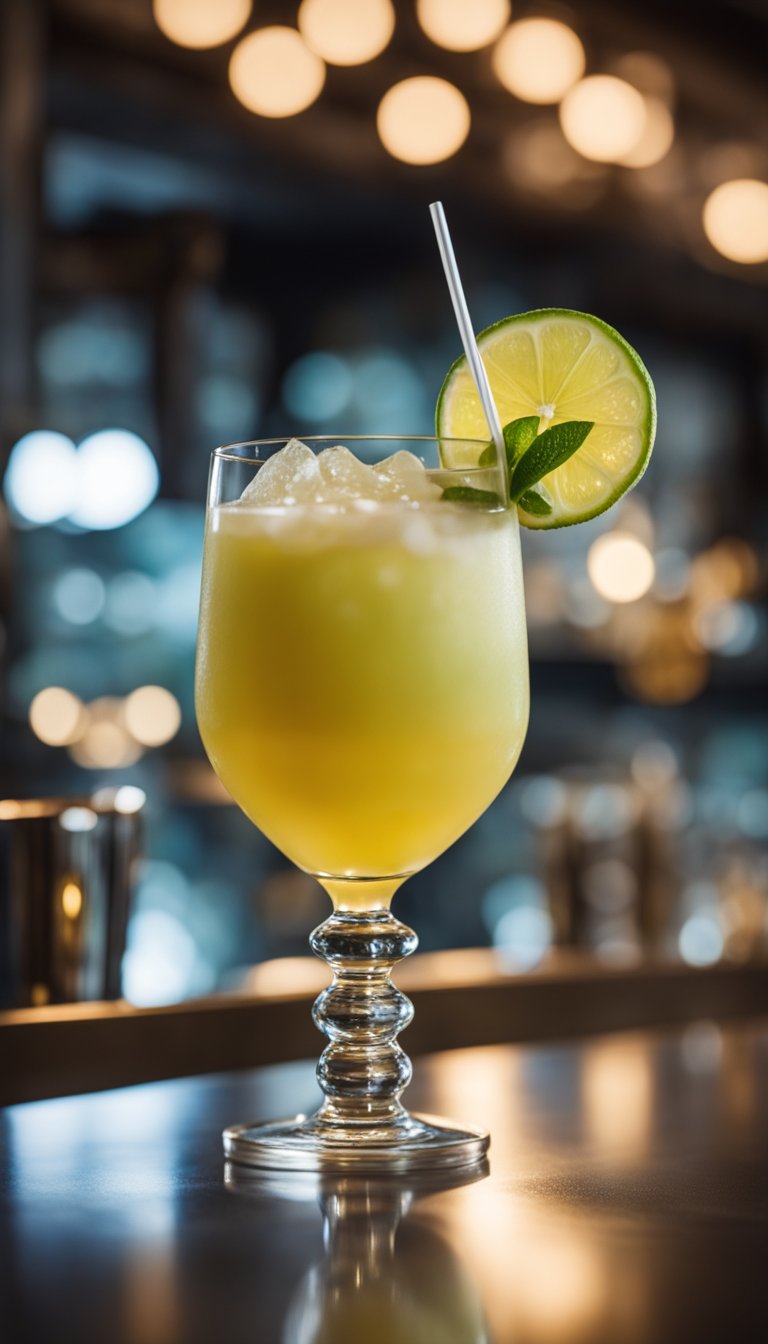
The Distribution Channels You Need to Use: Getting your alcohol-free spirit to consumers
In our investigation of and through the EU and UK market for alcohol-free spirits we’ve studied market segmentation and consumer preferences, as well as crafting compelling Unique Selling Proposition (USP). We now turn on to another crucial aspect to success: distribution channels. How can you efficiently make your alcohol-free beverages get into the hands of eager buyers? Let’s explore.
Understanding Distribution Dynamics
When you are deciding on your distribution strategy It’s crucial to be aware of how the alcohol-free spirit market. Here are the key facts about how distribution is currently going:
Traditional Retail
Traditional retail channels like supermarkets and liquor stores have historically been the main distribution channels for alcoholic beverages. However, the market is changing as people seek healthier alternatives.
Online Retail
E-commerce has transformed the distribution of spirits that are alcohol-free. On-line platforms let consumers explore a multitude of choices, making it a viable avenue for brands that are just beginning to emerge.
Specialty Stores
Specialty stores catering to those who are health conscious or looking for unique items have become important distribution partners. Take into consideration partnering up with these retailers to expand into small markets.
Bars and Restaurants
Bars and restaurants can play a significant role in introducing consumers spirits that are alcohol free. Join forces with establishments to offer your products on their menus.
How to Create Your Distribution Strategy
Now that you have an understanding of how distribution works Let’s create a winning distribution strategy:
Multi-Channel Approach
Take a look at a multi-channel approach to distribution to reach a greater customer base. Mix traditional retail, ecommerce, and specialty shops to increase the reach of your business.
Online Presence
Invest on a solid online presence. Create an online shop that is user-friendly with a shopping cart that customers can use to purchase, and learn more what your business offers. Optimize your website in search engines (SEO) for improved online visibility.
E-Commerce Partnerships
Discover partnerships with leading e-commerce platforms, such as Amazon or special alcohol-free spirit marketplaces. These platforms have built-in audiences eager to discover new products.
Wholesale Partnerships
Join forces with wholesalers and distributors specializing in alcohol-free beverages. Their networks are well-established and can assist you in bringing your product to a wider range of retailers.
Direct-to-Consumer (DTC)
Think about a Direct-to-Consumer (DTC) approach, in which you sell your spirits without alcohol directly to customers through your website. DTC allows for higher profit margins and better customer relationships.
Regulatory Compliance
In order to navigate the market for alcohol-free spirits, it also involves compliance with regulations. Be sure your products comply with the legal requirements and get the proper permits and licenses for distribution.
Consumer Education
Ensuring that consumers are aware of your products is crucial to ensuring a successful distribution. Look at the following suggestions:
Informative Website
Create a website offering detailed product information cocktails, recipes for cocktails, and regularly asked question (FAQs). The information you provide can help the consumer in making educated choices.
Tasting Events
Then, host tastings at different distribution locations, allowing people to try your alcohol-free liquor. These events are hands-on and build brand loyalty.
Social Media
Utilize social media platforms for communicate with your customers, and also share material that informs them about the benefits and use of your products.
This is the introduction to the following section in the Maintaining Market Relevance
As we close this segment on distribution channels and distribution channels to remember that getting your alcohol-free spirits in the people’s homes is only the beginning. In the next section we’ll be discussing strategies for ensuring market relevancy and ensuring that you are always meeting changing consumer needs. Watch this space for insight into product innovations and how to stay ahead of the competition.
Sustaining the Success: Navigating EU and UK Alcohol-Free Spirit Market – Part 5
This is the last installment of our comprehensive series on The EU and UK market for alcohol-free spirits. In this article, we’ll look at the essential aspects of maintaining market relevance and summarizing the most significant lessons that we’ve learned from our journey. We’re now ready to begin this last part of our journey.
Moving ahead with Innovation
The market for alcohol-free spirits grows being ahead of the curve is essential. Here’s how to innovate to maintain market relevance:
New Product Development
Spend money on research and development in order to develop new alcohol-free spirits that adapt to evolving consumer preferences. Create unique flavors in the form of ingredients, packaging, and even packaging that entices consumers.
Health and Wellness Focus
Focus on the health and wellness aspects of your products. Make sure you highlight the nutritional benefits, natural ingredients, and how spirits that are alcohol free can be part in a healthy and balanced lifestyle.
Sustainable Practices
Choose sustainable production methods for your products and packaging. Eco-friendly options appeal to environmentally aware consumers and could set your brand apart.
Marketing and branding
Effective branding and marketing are pillars of sustained performance. Check out the following methods:
Storytelling
Share your brand’s story through captivating content. It should be clear what the brand’s journey is, its values and goals behind your alcohol-free spirits to get to know your customers on more intimate level.
Collaborations with Influencers
Connect with influencers within their health and well-being, as well as mixology niches. Their endorsements can increase your reach and establish credibility with target audiences.
User-generated Content
Encourage your customers to discuss their experiences with your product via social media. Content created by users can create an atmosphere of community and authenticity around your brand.
Making the most of consumer trends
The consumer landscape is constantly evolving. To remain relevant, be aware and be aware of these trends:
Wellness and Health Trends
As health-consciousness increases, align your products with wellness trends. Offer low-calorie, sugar-free, or functional alcohol-free spirits in order to fulfill the demands of your customers.
Cultural Celebrations
Tap into cultural celebrations and holidays. Create special cocktails or menus that are specifically designed to capitalize on seasonal demand.
Recap of Our Journey
In this series, we’ve navigated the complex landscape of the EU and UK alcohol-free spirits market. Let’s summarize the key points from each article:
Article 1: Market Segmentation
Understanding your customer’s needs and segmenting your marketplace is crucial for success. Identify niches within the alcohol-free spirit market and tailor your products in a way that is effective.
Article 2. Creating a Remarkable USP
Crafting a Unique Selling Proposition (USP) helps differentiate your brand. It should be clear what makes your alcohol-free spirits apart, be it quality, ingredients, or sustainability.
Article 3 Distribution Channels
Effective distribution is critical. Consider a multi-channel approach, invest in ecommerce, and consider partnerships for an even greater audience.
Article 4: Regulatory Compliance as well as Consumer Education
Respecting regulations is an absolute requirement. Let consumers know about your products by providing informative websites, tasting events as well as social media interactions.
Article 5: Sustaining Success
Innovation brand, adaptation, and ingenuity remain the keys to success. Keep an eye on consumer trends, pay attention to wellness as well as celebrating cultural moments.
Conclusion
In the fast-paced EU and UK alcohol-free spirit markets, the long-term viability of the market requires continuous evolution. From segments of the market to distribution systems, regulatory compliance, and the latest innovations, we’ve covered the essential aspects to be successful in this business.
Remember, success isn’t always a static event; it’s more of a journey with constant improvement and growth. If you are able to stay agile, focused on the consumer and creative, you can navigate the spirit market that is alcohol-free successfully.
Thank you for being part of us in this adventure. We hope these insights empower you to make better decisions and be successful in this competitive market. Here’s to continued success in the world of alcohol-free spirits!
Create Your Own Alcohol-Free Cocktails in the UK How to Understand the Trend
The cocktail industry is experiencing the most dramatic transformation and it’s not only about classic margaritas, mojitos, and margaritas any more. For one, the United Kingdom, known for its booze culture, has seen a boom in a different kind of drink called alcohol-free drinks. In this first section of our series that will focus on the making of distinctive alcohol-free cocktails within the UK We’ll look into the rise of alcohol-free beverages and their increasing popularity.
The ever-changing beverage landscape
The world of drinks in the UK is evolving with a remarkable speed. Although traditional alcohol drinks still remain a favorite it’s clear that there’s a shift in preferences among consumers. People are looking for healthier and more conscious alternatives to their favorite tipples. This is part of a global trend where consumers are becoming increasingly conscious of their well-being.
One of the most notable trends that are gaining traction in this ever-changing market is the rise to alcohol-free cocktail. If you want to call them mocktails or virgin cocktails alcohol-free drinks, these drinks are drawing the attention of mixologists and consumers alike. There are bars that are alcohol-free throughout the UK and offer a broad selection of innovative and refreshing non-alcoholic cocktails that go above and beyond the usual soda or juice.
Healthy and Lifestyle trends
The rise in cocktails that are alcohol-free are in line with changes in lifestyle and health trends in the UK. As people become more mindful of their health and adopt wellness-focused routines, their choices of beverages are shifting accordingly.
Alcohol-free cocktails work perfectly with the new health-conscious lifestyle. They are a great way to enjoy an excellent drink without associated alcohol-related risks. This type of drink isn’t just available to those who are not drinking alcohol, but as well to those who wish to enjoy a delicious, non-alcoholic drinks that don’t compromise their overall health.
Why is this trend Relevant?
Understanding the increasing popularity of alcohol-free drinks is crucial for anyone who is interested in creating their own distinctive cocktails. As the popularity of these drinks grows so does the need to master the art of mixing without alcohol. In the next segment we’ll explore all the ingredients and equipment needed to craft unique alcohol-free cocktails, providing you with the basis to make your own delightful drinks.
Let’s take a dive into the world of alcohol-free mixology and learn the secrets to making your favorite alcohol-free cocktails within the UK.
Join the Elite: Directly Order Premium Alcohol-Free Spirits from Swedish Distillers!
The Art of Mixing Unique Alcohol-Free Cocktails in the UK Basics to Mixology
Welcome back to our series about making the most distinctive alcohol-free cocktails that are legal in the UK. In this installment we’ll take a look at the fundamental ingredients and tools needed for your journey of alcohol-free mixology. The foundation that we established in the previous section about the rise of cocktail drinks that are alcohol-free, let’s dig into the techniques and flavors which will enhance your mixology game.
An A Palette of Flavors
The attraction of alcohol-free cocktails is that they can intoxicate your taste buds with a symphony of flavors. To create truly unforgettable drinks it is essential to have a wide variety of flavors. Here are the main components:
1. Fruits and Juices Fresh Fruits and Juices
The principal ingredient of alcohol-free cocktails is the freshness of fruit and juices. From citrusy fruits like limes and lemons, to juicy and sweet fruits, these natural ingredients add a punch of flavor. Choose a high-quality juicer to extract the freshest juices that you can.
2. Syrups and Sweeteners
Sweeteners and syrups like honey, simple syrup agave nectar, and grenadine can be used for balancing flavors. They can add sweetness and depth to your drinks. Try experimenting with flavoring syrups for a different twist.
3. Herbs and spices
Herbs and spices like basil, mint cinnamon, ginger, and mint can elevate your alcohol-free cocktails to a higher level. They can add depth and flavor to your drinks.
4. Bitters
Bitters are concentrated flavor compounds that add depth and complexity to your cocktail. Although they usually contain alcohol However, there are alcohol-free versions that achieve the same effect.
Mixology Equipment
To create professional-quality cocktails you’ll require the right equipment. These are essential items:
1. Shaker
Shakers for cocktails are essential for mixing all ingredients thoroughly. You can pick between a variety models, including the traditional Cobbler shaker or the Boston shaker.
2. Mixing Glass and Spoon
For cocktails that are stirred, a mixing glass and an extended-handled spoon are essential. They allow you to softly mix ingredients while maintaining their quality.
3. Strainer
The strainer will ensure that the drinks can be smooth without being contaminated from herbal shards of ice or. Consider using a Hawthorne strainer for most cocktails.
4. Jigger
A precise measurement is crucial to consistency in mixology. Jiggers can help you measure ingredients accurately, and ensures that your drinks taste right.
5. Glassware
Invest in a variety of glassware, including martini glasses and highball glasses, in addition to rocks glasses. The glass you select can significantly affect the presentation of your drinks.
Alcohol-Free Spirits
Traditional spirits such as vodka or gin are not present in alcohol-free drinks there’s a growing demand for alternatives that are alcohol-free. Brands such as Seedlip and Ritual Zero Proof offer alcohol-free spirits that are able to capture the essence and complexity of their alcohol-based counterparts.
What makes these Essentials Important?
Being able to have a bar well-stocked with a diverse range of flavors along with the right mixology equipment are crucial to making excellent drinks that are alcohol-free. These tools and ingredients provide you with the freedom to create and explore creating drinks that stand out.
In the following section, we’ll get into the art of making specific cocktails that are alcohol-free. We’ll provide step-by-step instructions and unique ideas to try. Make sure you are ready to mix, shake, and stir your way to perfect cocktails in the heart of UK.
Designing your unique Alcohol-Free Cocktails in the UK How to Impress Your Guests with Recipes
In the initial two segments of this series, we’ve examined the popularity of alcohol-free cocktails in the UK as well as the crucial ingredients and equipment necessary for mixology. Now, it’s time implement that knowledge. In this section this section, we’ll give you many tempting recipe cocktails that are alcohol free and guaranteed to impress your guests.
The Citrus Sparkler
Ingredients:
- 2 OZ freshly squeezed Orange juice
- 1 oz freshly squeezed lemon juice
- 0.5 oz simple syrup
- 3 oz soda water
- Lemon twist as garnish
Instructions:
- Fill a highball glass up with water and ice.
- Include freshly squeezed Orange Juice, the juice of a lemon, together with the syrup that you made yourself.
- Combine gently.
- Pour soda water over the top and top with lemon wedges.
- Serve right away and enjoy the refreshing burst of citrus flavor.
Berry Bliss Mocktail
Ingredients:
- 1/2 cup mixed berries (strawberries, blueberries, raspberries)
- 1 oz fresh lime juice
- 1 oz simple syrup
- 3 oz sparkling water
- Fresh mint leaves for garnish
Instructions:
- In a cocktail shaker muddle the mixed berries.
- Incorporate fresh lime juice and simple syrup.
- Shake vigorously with ice.
- Pour the mix into a glass that is chilled and filled with some ice.
- Add sparkling water to the top and garnish with new mint leaves.
- Sip and savor the delightful mix of citrus and berry flavors.
Minty Mojito Mocktail
Ingredients:
- 6-8 fresh mint leaves
- 1 oz fresh lime juice
- 1 oz simple syrup
- 4 oz soda water
- A lime wedge and a mint sprig for garnish
Instructions:
- In the glass, gently mix the fresh mint leaves.
- Fresh lime juice can be added to simple syrup.
- Fill the glass with ice.
- Add soda water to the top and stir slowly.
- Sprinkle with lime slices as well as a sprig of mint.
- Imagine yourself in a tropical island with this minty delicious flavor.
Ginger Spice Fizz
Ingredients:
- 2 oz ginger ale
- 1 oz apple cider
- 1/2 oz fresh lemon juice
- 1/2 oz simple syrup
- Slices of thin apple for garnish
Instructions:
- Make sure to fill a highball glass frozen.
- Combine ginger beer, apple cider, fresh lemon juice, as well as simple syrup.
- Stir well.
- Garnish with thin apple slices for a little extra style.
- Get a taste of the spiced warmth of ginger and the crispness of apple in every glass.
Lavender Lemonade Refresher
Ingredients:
- 2 oz lavender-infused lemonade (steep dry lavender buds in lemonade and strain)
- 2 oz coconut water
- 1/2 1 oz honey syrup (equal parts hot water and honey cool)
- A lemon wheel and lavender sprig to garnish
Instructions:
- In a glass, add ice.
- Mix lemonade with lavender, coconut water, as well as honey syrup.
- Mix gently.
- Garnish with a lavender plant and a lemon wheel.
- Delight in the soothing aroma of lavender, and enjoy the flavor of lemon.
The Next Step: Experimentation
These recipes are just the beginning of your journey to a non-alcoholic mixology. Don’t hesitate to experiment with different flavors, herbs, and spices to make your own signature cocktail. In the following section we’ll go over advanced mixology techniques and provide additional recipes to master. Prepare to improve your skills and impress your friends with your alcohol-free recipes.

Learning the art of alcohol-free Mixology The Latest Techniques
In our trip through the world of non-alcoholic mixology, we’ve gone over the basics, studied the necessary ingredients, and shared some delightful recipes. Now, it’s time elevate your mixology knowledge on a new level. In this section, you’ll go over advanced methods that will elevate your alcohol-free cocktails into an art form.
The Art of Infusion
Infusing your ingredients with an excellent method for adding depth and sophistication to your alcohol-free drinks. Here are a few ideas to get you beginning:
-
Fruit-Infused Water: Infuse water with fruits such as cucumbers, strawberries, or watermelon. Allow the flavors to mix for an invigorating base.
-
Herb-infused Syrups Make unique syrups by infusing them with herbs like basil, rosemary, or thyme. These syrups can provide an extra layer of flavor to your drinks.
-
Tea and Spice Infusions: Infuse tea or spice blends such as cinnamon, cloves or cardamom to your mixers for a hint richness and warmth.
Crafting Signature Bitters
Bitters are the main ingredient of many classic cocktails, and you can make your own alcohol-free versions. Here’s how:
-
In the ingredients list: Start with a neutral base such as glycerin. Incorporate botanicals, such as dried peels of citrus, spice, and herbs.
-
Process: Combine your chosen ingredients in a glass jar and let them infuse to a couple of weeks. Shake the jar frequently. Strain the mix, and you’ll have your own custom bitters.
-
Experiment: Play with different combination of flavors to create unique tastes to complement your cocktails.
The Art of Garnishing
An appropriately chosen garnish not only enhances the visual appeal, but also helps enhance the aroma and flavor of alcohol-free drinks. Consider these garnishing techniques:
-
Citrus Twists: Make use of a citrus peeler in order to create elegant twists of lime, lemon, or orange. They are not only beautiful and are also releasing citrus-infused oils as you drink.
-
Fresh Herbs: The freshness of herbs like basil, mint or rosemary will not only add some color but also infuse your drink with their delicious fragrances.
-
edible flowers: Incredibly edible blooms like pansies and violets as well as Nassetiums bring a touch sophistication and flowers to drinks.
Molecular Mixology
If you are a mixologist with a flair molecular methods can provide some magic to your mixes:
-
Spherification: Produce tiny liquid globes with sodium alginate or calcium chloride. They explode in your mouth providing a blast of flavor.
-
Foaming: Use a nitrous oxide charger to create foams which sit atop your drinks, providing a silky texture and unique design.
Create and collaborate
Don’t be afraid of collaborating with other mixologists, or to attend workshops and seminars. Experimenting with mixology alongside others could lead you to exciting discoveries and innovative techniques.
While you work on your advanced mixology expertise, remember to keep your customers in your mind. Becoming familiar with their tastes and playing with new flavors will set you apart as an expert in mixing alcohol-free.
In the last section of this guide, we’ll review the experience and offer final thoughts. It’s time to impress your friends and guests with your work.
The Art of Alcohol-Free Mixology: A Road to stunning Mocktails
We’re pleased to present the culmination of our journey through alcohol-free mixology. Through the course of four articles We’ve explored the art of making delicious drinks without alcohol, starting from basics to the most advanced techniques. Today, we’ll conclude our exploration by examining the basic principles of masterful cocktail creation.
The essence of Mocktails
Mocktails, the non-alcoholic counterparts of cocktails, are a delightful combination of flavors in aromas, flavors, as well as imagination. They provide a refreshing alternative for those who choose not to drink alcohol, but want to indulge in sophisticated drinks.
The Basics Reviewed
Before we begin Let’s review the fundamentals for creating excellent mocktails.
-
Balance: As with cocktails Mocktails rely on an balanced blend of flavors. Be aware of the sweet, sour, bitter and umami components of your drink.
-
Fresh Ingredients: Make sure to choose the most fresh fruits, herbs, and juices. Freshness can improve the overall quality in your cocktail.
-
Texture Matters: The mouthfeel of the drink is essential. Take note of the fizziness, thickness or creaminess, which compliments your chosen ingredients.
It’s the Mocktail Mixologist’s Toolkit
For creating masterful mocktails it’s best to have a toolkit that is well-equipped:
-
Quality Glassware: Buy elegant glassware that will showcase your creativity. The correct glass can help enhance the appearance the mocktail.
-
Bar Tool: Get yourself bar equipment like shakers, strainers, muddlers, and Jiggers. These tools help make the mixing process efficient and precise.
-
Special Ingredients Discover unique ingredients such as flavorful syrups, bitters as well as non-alcoholic spirits to create a unique cocktail.
Crafting Unforgettable Mocktails
Let’s begin the journey to make unforgettable mocktails that will leave imprint on the guests you serve.
Mocktail Magic: Signature Recipes
1. Citrus Sunrise Bliss
Ingredients:
- 1 oz fresh orange juice
- 1 oz fresh grapefruit juice
- 0.5 oz grenadine syrup
- 2 oz sparkling water
- Ice cubes
- Orange slice and maraschino cherry for garnish
Instructions:
- Fill a highball drink glass with frozen cubes of ice.
- Pour the grapefruit and orange juices in the glass over the frozen.
- Slowly add the grenadine syrup in order to create a stunning sunrise.
- Pour in sparkling water and gently stir.
- Garnish with a slice of orange and maraschino cherry.
2. Minty Melon Euphoria
Ingredients:
- 2 oz fresh honeydew melon juice
- 0.5 oz fresh lime juice
- 0.5 2 oz honey syrup (equal parts hot water and honey, cooled)
- 4-6 fresh mint leaves
- Crushed Ice
- Mint sprigs and melon balls to serve as garnish
Instructions:
- Muddle the mint leaves in a shaker.
- Add the honeydew melon juice, lime juice, and honey syrup to the shaker.
- Pour the shaker full of crushed ice and shake vigorously.
- Strain into a chilled martini glass.
- Garnish with a sprig of mint and a ball of melon on the Skewer.
Closing: Cheers to Your Mocktail Mastery
In our journey through the world of alcohol-free mixology, we’ve learned the essentials of mixology, explored the latest techniques, and learned how to create unforgettable mocktails. You’ve got the skill and expertise to amaze your guests and acquaintances with masterful mocktail creations.
Let’s look back at our five-article adventure:
-
The basics of alcohol-free Mixology: Our first lesson was fundamentals and a thorough understanding of how important balance is, the ingredients, and presentation.
-
Exploring Essential Ingredients Then, we delves to the depths of vital ingredients, from fresh fruits and herbs, to syrups and bitters.
-
Enhancing Your Mixology Game: We elevated our skills by exploring infusion, creating signature bitters, as well as investigating molecular mixology.
-
The Art of Garnishing: In the fourth part of this article, we learned how you can add the final touch of class by using innovative garnishing techniques.
-
Masterful mocktails: Finally, in this post, we’ve explored the core of mocktail creation creating signature recipes that surprise our guests.
This is the moment to start the journey of your own mixology. Experiment, innovate, and take pleasure in making exceptional alcohol-free cocktails and mocktails. Remember that the art behind mixing isn’t just about drinking drinks. It’s also about the experiences and memories your drink creates with each drink.
We wish you the best of luck with your cocktail mastery and your bright future as a mixologist to die for!
Unlocking the hottest Trends in Alcohol-Free Spirits in the UK Take Action Now!
In a society where health awareness and responsible drinking has become more crucial and a priority, the UK is witnessing an incredible shift in the culture of drinking. In the past, it was a time when alcohol was the predominant drink; instead, the spotlight is now shining on the fascinating world of spirits that are alcohol-free. In this piece, we go in a journey to explore the hottest trends in alcohol free spirits that are sweeping across and across the United Kingdom.
Let’s dive into the first segment, where we’ll investigate the astounding rise of alcohol-free spirits and the causes behind this revolutionary trend.
Section 1: The Rise of Alcohol-Free Spirits
In recent times, the UK has seen a dramatic increase in the demand for alcohol-free spirits. The once-separate market has now evolved into an booming industry and the causes behind this change are numerous.
The Changing Landscape
The British landscape’s alcohol culture is undergoing significant change. Things like health consciousness as well as wellness trends and a growing desire for more ethical choices have come together in order to create the demand for alcohol-free spirits.
Consumers are becoming increasingly conscious of the health risks related to excessive alcohol consumption. This awareness has paved the way for a change in lifestyle that has led to more people looking for alternatives that let them get the pleasure of a well-crafted drink without the accompanying alcohol levels.
The Pandemic Effect
The global COVID-19 pandemic has surely left a lasting effect on how we drink and socialize. With restrictions, lockdowns, and health issues at play numerous people turned to alcohol-free options as a means of maintaining their well-being. The pandemic spurred the growth of the alcohol-free spirits market and people began exploring new avenues to connect with others and relaxation from the safety of their homes.
Beyond Mocktails
This trend is not limited to the removal from alcohol-based cocktails. it’s also expanding to the production exquisite and flavorful alcohol free spirits that stand on their own. These spirits are intended to be enjoyed in many ways, from sipping they neat to making intricate drinks that are not alcoholic and rival their spirits that contain alcohol in their taste and complexity.
What’s Next?
As we conclude our exploration of the increasing popularity of spirit that is alcohol-free, we see that this trend isn’t simply a passing trend. It’s a cultural shift driven by a combination of health-consciousness, changing consumer preferences, and the impact of the pandemic.
In the next article we’ll dive deeper into the fascinating world of diverse flavors and ingredients that define the world of alcohol-free spirits within the UK. Come along as we discover the delicious and aromatic realm of non-alcoholic botanicals and other ingredients that influence how we see the future for this industry.
Stay with us on this voyage of discovery!
+BILD+
“A Taste Explosion”: Exploring a Variety in Alcohol-Free Spirit Flavors
Introduction
Welcome back to our trip to the enthralling realm of spirits that are alcohol-free! In our last article we discussed the growing appeal of these spirits in the UK as well as the factors driving this amazing trend. It’s time to dive deeper into the midst of this fast-growing industry and explore the stunning variety of flavors that appeal to consumers across the country.
In this second chapter we’ll be immersed in the variety of tastes and scents available from alcohol-free spirits. From classic botanicals to exotic cocktails, all non-alcoholic beverages can be a treasure trove of flavors just waiting to be discovered.
Section 2: The Flavorscape Spirits that are alcohol-free Spirits
Classic Botanicals An Elegance that is timeless
Invigorating flavors, timeless elegance What classic botanicals offer to the world of spirits that are alcohol free. These base ingredients, commonly associated with traditional gin and other spirits, create a familiar yet refreshing profile.
-
Juniper Berries are the backbone in many traditional spirits, they add a piney and slightly citrusy note to alcohol-free options.
-
Coriander Aside from its warm, spicy, and a hint of citrus, coriander adds depth and complexity to non-alcoholic botanical blends.
-
Angelica root is well-known for its herbal and earthy notes angelica root is a unique and harmonizing dimension to alcohol-free spirits.
Exotic Infusions: A Universe of Possibilities
While classic botanicals provide a easygoing familiarity, alcohol free spirits also have a taste for exotic. Experimenting with flavors from all over world is now a staple of this growing industry.
-
Citrus Zest What do you think about? Think of vibrant lemon, zesty lime and exotic yuzu. Citrus zest infusions enhance alcohol-free spirits with a burst of tang and brightness.
-
Spices From the warmth of cardamom to the smoky spice of chili, the spices make a sound that can enhance the alcohol-free experience.
-
A tropical Fruits: Mango, pineapple, and passion fruit aEUR” These tropical fruits inject the feeling of paradise in drinks that are not alcoholic, providing uninspiring pleasure for your taste buds.
Herbaceous Elegance: a Botanical Symphony
Many alcohol-free spirits gain their richness from a created blend of herbs. This herbal approach creates an delightful interplay between aromas and flavors.
-
Rosemary The scent of rosemary is a pleasant scent of pine and a slightly peppery taste, rosemary adds a dash of Mediterranean elegance to alcohol-free drinks.
-
Lavender: Well-known as a soothing scent Lavender adds a floral scent, with a slight sweetness to spirits that are not alcoholic.
-
Basil: Fresh and aromatic Basil infusions impart alcohol-free spirits with a vibrant herbaceous flavor.
What’s Next?
When we enjoy the enthralling tastes of spirits that are alcohol free, it’s obvious that this market isn’t solely about mimicking alcohol drinks but also about making a distinctive and unique drinking experience. The mix of classic florals, exotic infusions, as well as herbaceous sophistication, showcases the imagination and creativity that lie at the heart of this style.
In the following section we’ll look into the process of mixing and explore the secrets to creating exquisite non-alcoholic cocktails that are getting the UK to the streets. Join us for this voyage of flavor and creativity as we dive into the world of mixology that is alcohol-free!
Keep us in mind, and let your senses be delighted!
+LINK+
Redefining the Art of Mixology: Crafting Spectacular Cocktails that are Alcohol-Free Cocktails
Introduction
In our search for the fascinating industry of alcohol-free liquors, we’ve gone from gaining an understanding of the growing trend in these libations to delving deep into the diverse and thrilling flavors they have to offer. In the near future, we’ll begin a new adventureaEUR”one which involves shakers, mixologists, and a pinch of imagination. We’re excited to introduce you to the world of mixedology that is alcohol-free!
In the third part in this third section, we’ll discuss the art of making exceptional alcohol-free cocktails. Then, we’ll discover how mixologists and home lovers alike are changing the way people drink in the UK by taking a savoury sip at each time.
Section 3: The Art of Alcohol-Free Mixology
The rise of alcohol-free Mixology
-
A new era in bartending: Mixology is no limited to alcohol drinks. Mixologists with no alcohol are emerging pioneers in the field, bringing innovative and delicious drinks that appeal to diverse tastes.
-
Healthy choices A rising consumption of alcohol-free cocktails shows an evolving lifestyle towards health and mixologists are welcoming this trend with full-hearted acceptance.
-
Innovative ingredients: The mixologist’s toolkit for an alcohol-free mixologist includes a variety of ingredients, from the finest artisanal bitters, to alcohol-free distilled spirits that imitate alcohol counterparts.
Concocting the Perfect Alcohol-Free Cocktail
The Foundation for Alcohol-Free Spirits
To make the most exceptional alcohol-free cocktails the first step is to establish a solid foundationaEUR”the the alcohol-free spirits.
-
Bold and beautiful Gins without alcohol give a juniper forward experience much like traditional gin serving as a platform for creative mixology.
-
Rum, without all the hype Alcohol-free rum is rich and molasses-infused. It allows for the making alcohol-free versions of classic rum-based cocktails.
-
Whiskey with no bite Whiskey that is not alcoholic boasts flavors of oak and smoke, perfect for making alcohol-free versions made of Old Fashioned and Manhattan cocktails.
Mixers Cocktails, Bitters, and Beyond
Mixologists masterfully mix a symphony of mixers, bitters and other flavor enhancers, to make their drinks.
-
tonic waters Tonic waters made from craft offer nuanced flavors, from traditional citrus flavors to intriguing herbal infusions.
-
Bitters Alcohol-free bitters bring more depth and richness to alcohol-free cocktails, delivering flavors that range from aromatic to spicy.
-
Flowers and garnishes fresh herbs such as mint and basil to citrus twists and flowers add a visually stunning and aromatic flavor to alcohol-free cocktails.
Presentation: The art of Presentation
The presentation is a crucial aspect of mixology, and non-alcoholic cocktails aren’t any different.
-
Glassware: Picking the best glass increases the visual appeal of a drink. Highball glasses, coupe glasses and mason jars create an unique drinking experience.
-
Garnishes From intricate citrus twists to a simple sprig of rosemary, garnishes can not only make a beautiful appearance, but they also provide a rich aroma.
-
Ice*: The type and the amount of ice can influence the dilution and temperature of the drink, making it a critical consideration.
What’s Next?
As we delve into the intricate world of alcohol-free mixology, it becomes clear that this is not trend that’s going to fade off anytime soon. Alcohol-free cocktails remain in style, and are evolving into an art form, one that focuses on creativity quality, flavor, and well-being.
In the next part in the next section, we’ll look into the burgeoning alcohol-free spirits market in the UK Discovering exciting brands and products that are driving this development. Stay with us as we continue our exploration into the world of alcohol-free beverages.
Stay tuned for more information, and let your sense buds prepare for a delicious journey!
+BILD+
Navigating the Alcohol-Free Spirit The Landscape of the UK
Introduction
We’re back for our exploration of all things alcohol-free. In the past we’ve explored what’s trending and the flavors of spirits that are alcohol-free to discovering the art of creating exquisite alcohol-free cocktails. Now it’s time to embark on a fresh adventureaEUR”to discover the intricate world of alcohol-free spirits in the UK.
In this fourth part in this fourth section, we’ll look into what brands and items that are driving the movement towards alcohol-free spirits across the UK. From established names to brand newcomers, we’ll uncover the plethora of ideas and creativeness which define this thriving market.
Section 4: Exploring brands that are alcohol-free in the UK
The Pioneers
Seedlip The Original Spirit of Non-Alcohol
-
A wonderful botanical blend: Seedlip was one of the first companies to enter the category of alcohol-free spirits, with botanical blends that replicate the complexity of gin.
-
A expanding empire: Seedlip now boasts many variations, including Garden 108, Spice 94, as well as Grove 42, each with its own distinct flavor profile.
Lyre’s: Creating the Classics
-
The classic spirits that have without alcohol Lyre’s has earned an image for itself by replicating classic spirits like whiskey, gin, or rum without the alcohol.
-
A variety of possibilities The vast range of Lyre’s products is a vast array of spirits, guaranteeing that you can find an alcohol-free solution that is suitable for all.
The Craft Distillers
Borrago: The Elegant Spirit
-
Elegance in one bottle: Borrago’s alcoholless spirit is designed to be a sophisticated alternative to traditional Gin.
-
A sophisticated experience with notes of rosemary, cardamom, and orange, Borrago caters to those seeking a premium alcohol-free option.
Ceder’s: Essence of Gin Essence of Gin
-
Swedish inspiration Ceder’s mix classic Gin botanicals with South African botanicals, creating an exceptional alcohol-free gin.
-
Differential blends: Ceder’s offers various flavors, from Classic to Crisp that ensures versatility in alcohol-free gin cocktails.
The Innovators
Stryyk: Zero Proof, Maximum Flavor
-
Alcohol-free and flavor-packed: Stryyk challenges the notion that alcohol is a must to make bold and complex flavors.
-
Three distinct choices Stryyk’s Gin, Not Vodka, and Not Rum offer alternatives to various drinking preferences.
Everleaf A Trip through Botanicals
-
This is a universe of botanicals: Everleaf takes you to the beautiful world of botanicals thanks to its unique alcohol-free Aperitif.
-
A sensory experience that includes flavors such as vanilla, saffron as well as the cassia Everleaf is a sensual experience in glass.
What’s Next?
As we explore the brands and products that make up the UK’s market for alcohol-free spirits it is clear that this sector is thriving by ingenuity and innovation. It doesn’t matter if you’re looking to find the classics or sophisticated options or bold new flavors, there’s an alcohol free spirit brand to suit your needs.
In the final part of our exploration We’ll take a step back to reflect on the general impact of alcohol-free spirits to the consumer and beverage industry. We’ll also offer a brief outline of our investigation and connect the most important insights from each section.
Keep following us as we near the grand finale of our exploration into alcohol-free spirits. We have more to come!
The revolution to eliminate alcohol: A Journey Unveiled
We are pleased to present the final chapter of our tour through the fascinating world of alcohol-free spirits. In the fifth and last section, we’ll reflect on our journey, highlight key takeaways, and offer an insight into the future prospects of this rapidly expanding industry.
Recap The Journey So Far Journey So Far
Before we start to explore the future for the next decade, we’ll need to reflect on our journey in this world that is alcohol free.
The first section is about understanding alcohol-free spirits
In the beginning, we laid the foundation for our exploration. We established what alcohol-free spirits are in the first place, explored their increasing appeal, and deduced the motivations behind this trend. Important points from this section include:
- The demand is growing for alcohol alternatives.
- The role of wellness and health in driving the trend.
- The a variety of flavours and botanicals that are available in alcohol-free spirits.
Section 2: Creating Alcohol-Free Cocktails
The second part of our program was all about the art of crafting alcohol-free cocktails. Mixology was the focus, we explored techniques for mixing as well as shared recipes that taste delicious and highlighted the significance of balance and creativity in mixology that is alcohol-free. Some of the most significant insights we gained from this section include:
- Mixology as a mode of self-expression.
- It is crucial to use high-quality ingredients.
- Recipes for classic drinks that don’t contain alcohol like The Virgin Mojito and Nojito.
Section 3: There’s a World Full of Flavors Spirit Options: Alcohol-Free Spirit Alternatives
In our final section, we dived into the rich and diverse array of alcohol-free spirits. Starting with botanicals blends through whiskey options, we saw the many options that consumers can choose from. The most notable points in this section include:
- Leading brands, like Seedlip and Lyre’s.
- The emergence of craft distillers offering high-end alcohol-free options.
- Innovative brands like Stryyk and Everleaf pushing the boundaries of flavor.
Section 4: Experiencing Alcohol-Free Spirit Brands in the UK
Our fourth segment was a tour through the UK’s spirit market that is alcohol-free. We were able to explore the pioneers, makers of craft spirits, as well as the pioneers making the world a better place. This section provided insight into:
- Plant-based wonders by Seedlip.
- Lyre’s passion for reviving classic spirits.
- Borrago’s class and sophistication.
- Ceder’s mix with Swedish as well as South African botanicals.
- Stryyk and Everleaf’s bold, distinctive products.
The future of alcohol-free spirits
As we close our examination we discover that the world of alcohol-free spirits overflowing with potential. What’s next for this fast-growing industry?
Continuous Innovation
Innovation will continue to be the driving force behind alcohol-free spirits. Expect to see more brands experiment in the realm of unique flavor profiles, and ingredients, pushing the boundaries of what’s possible in the non-existence of alcohol.
Expanding Market Coverage
Alcohol-free spirits aren’t anymore niche products. They’re becoming more available at restaurants, bars as well as retail stores. The market is expected to continue to grow as consumers search for healthier and mindful drink options.
A Global Phenomenon
What began as a fad in one area has now become a global phenomenon. With the growing awareness of alcohol-free liquors grows, we can expect an increase in interest from around the world and competition.
Conclusion: Cheers to the Future
In the end, our trip across the globe of non-alcoholic spirits has been nothing less than instructive. From recognizing new trends and flavor profiles to crafting stunning cocktails, exploring brands and looking into the future, we’ve found the potential for this exciting business.
While you’re on your own journey to your world of non-alcoholic spirits, make sure you’re aware that the possibilities are endless. No matter if you’re an experienced mixologist or an avid consumer there’s an abundance of flavor combinations waiting to be explored. Welcome to the future of liquors that are alcohol free, where every glass of wine is an opportunity to cultivate enjoyment and creativity.
We appreciate your joining us for this adventure. Keep an eye out for more insight into the world of drinks.
Exploring the World of Alcohol-Free Spirits
In a time where healthy choices and mindful living have been a major focus as well as the world of beverages is changing dramatically. Perhaps one of the more intriguing and exciting trends in the drink industry is the development of alcohol-free spirit. These enthralling elixirs have all the flavours, complexity and elegance of traditional spirits with out the alcohol content, making the perfect option of those who prefer a sensible and mindful way to enjoy their favorite cocktails.
What are Alcohol-Free Spirits?
Alcohol-free spirit, also called non-alcoholic or zero-proof spirits, are a class made up of drinks formulated to mimic the taste and experience traditional alcohol-based spirits like gin, vodka and whiskey without the intoxicating effects. They are created using the finest selection of herbs or spices, herbs and fruits, much like their alcohol-based counterparts but having the unique distinction of the absence of alcohol or a minimal amount.
The spirits have gained a lot of popularity due to their ability in the creation of a variety of alcohol-free cocktails, often called mocktails. They can be enjoyed as a straight drink as well as on the rocks or mixed with other mix-ins with no alcohol to create sophisticated and refreshing drinks.
Why drink-free Spirits?
health benefits: One of primary reasons many individuals are choosing alcohol-free spirits is the numerous health benefits they offer. These spirits have little to no calories and do not contribute to weight gain. They also reduce risks of excessive alcohol consumption, including liver damage, addiction and impaired cognitive function.
Social and Environmental Considerations: The shift towards alcohol-free spirits does not just concern about personal health, but connects with larger societal and environmental issues. By opting for alcohol free options it helps people reduce their carbon footprint. They also promote an ethical and sustainable production practices.
The trend towards mindful drinking: In an era of conscious living and mindfulness liquor-free spirits enhance the growing trend towards mindful drinking. More and more people are seeking equilibrium and moderation in their lives. These spirits provide a way to enjoy the art of mixology and drink culture without the disadvantages of alcohol.
The Excitement from EU and UK Markets
The growing demand for non-alcoholic spirits to expand throughout the world, the European Union (EU) and the United Kingdom (UK) have emerged as a hub of excitement for the booming industry. The markets of these two regions have seen a surge in creativity, with various new and well-known brands fighting for the attention of sophisticated consumers.
The EU and UK markets for alcohol-free spirits is characterized by their dynamic and diverse nature. From classic juniper and alcohol-free gins to botanical-infused vodkas, non-alcoholic vodkas and spiced alcohol-free spirits, there’s something here for everyone. The variety of tastes and choices available from these places is a testament to the growing appreciation of spirits that are alcohol-free.
In the coming section, we’ll take a deeper dive into our world of non-alcoholic spirits. We’ll explore the most popular brands and varieties that have captured the attention of consumers. Set out on a thrilling journeys that are bursting with flavor that will transform your understanding of alcohol-free beverages.
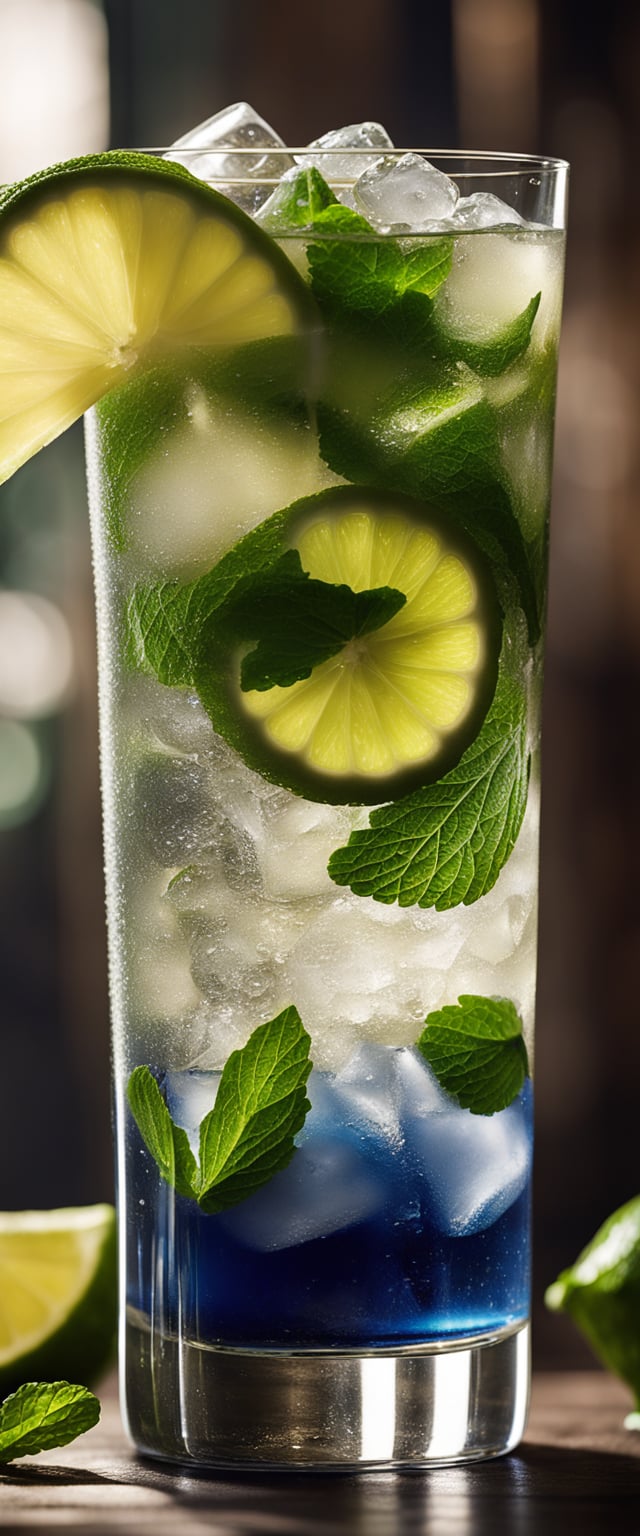
Exploring the Alcohol-Free Gin: A World of Flavor Without the Alcohol
We’ve now set the background with an introduction to the intriguing world of alcohol-free spirits, we can go deeper into one the most beloved and recognizable categories which is alcohol-free gin. Gin is well-known for its complexity in botanicals and potential for cocktails, has been reimagined in an alcohol-free world. It offers a myriad of flavours and possibilities that delight the senses, without the requirement of an authorized driver. Let’s take a closer look into the world of alcohol-free gin.
Uncovering the Secrets to Alcohol-Free Gin
Alcohol-free Gin What’s It? Alcohol-free gin, often known as non-alcoholic gin or zero proof gin, or botanical-infused spirit, is an extraordinary creation that embodies the essence of traditional gin without alcohol content. Created using a blend of botanicals including spices, herbs and other natural ingredients, they recreate the familiar style of juniper-forward gin that enthusiasts admire.
The Botanical Symphony: The flavor of gin’s magic lies in its botanical blend that is alcohol-free, and gin without alcohol is certainly not an exception. While traditional gin normally contains coriander, juniper, citrus peels, and a myriad of spices and herbs The non-alcoholic versions are meticulous in selecting as well as blend botanicals into an exquisite symphony.
Zero Alcohol Zero Calories One important benefit of gin made without alcohol is its lack of calories. It is a popular option for those mindful of their calorie intake and health-conscious consumers who wish to enjoy the distinctive flavor that gin has without the negatives associated with alcohol.
EU and UK Description: Gin Lover’s Paradise
When it comes to alcohol-free gin, EU as well as UK markets are rich in options as well as new developments. Gin is one of the most well-known brands, and has a long tradition in these regions, is seamlessly moving into the world of alcohol-free spirits.
Most Popular Brands Several pioneering brands operating in the EU and UK have made great strides in crafting exceptional alcohol-free gins. These brands take inspiration from the rich gin tradition of these regions while increasing the flavor profiles.
Botanical Variety: The EU and UK markets provide an extensive assortment of alcohol free gins, each with its own unique botanical blend. From traditional London Dry style alcohol-free gins to contemporary interpretations featuring exotic botanicals, the options are limitless.
Quality and Craftsmanship: Craftsmanship and high-quality remain paramount in the production of alcohol-free spirits in these regions. Many distilleries employ traditional methods for distillation and use top quality botanicals in order to deliver an exceptional drinking experience.
In the next chapter, we’ll discuss some of the outstanding alcohol-free spirits from the EU and UK as well, which allows you to embark on a delicious adventure that transcends boundaries. So, get ready to explore the delicious juniper-infused delights that await your taste buds.
Wholesale Redefined: Get Your Alcohol-Free Spirits Direct from Swedish Distillers!
The Best Alcohol-Free Gin Brands in EU and UK
As we continue our journey through the world of Gin that is alcohol free, it’s time for us to look at some of most outstanding brands that have achieved their success in the EU and UK markets. These brands have made the art form of crafting alcohol-free spirit to new heights by providing a range of delicious flavors that suit every palette. Begin by exploring the best brands of alcohol-free spirits in both the EU and UK.
1. Seedlip
Enhancing Botanical Quality: Seedlip, often credited as one the pioneers of the alcohol-free spirit industry, offers a variety alcohol-free Gins that exude the best of botanical quality. Their botanical blends, including Seedlip Garden 108 and Seedlip Spice 94 has earned the attention of critics for their distinctive flavors.
Signature Serve: Take to drink a Seedlip Garden 108 with tonic water and garnish with a sprig of fresh peas, for a refreshing and aromatizing tasting experience.
2. Ceder’s
Inspired by Nature: Ceder’s is a brand inspired from the untamed splendor of the beautiful South African Cederberg Mountains. Ceder’s alcohol-free gins, such those from Ceder’s Crisp and Ceder’s Wild have intriguing South African and Swedish botanicals to give a unique flavor.
Signature Service: Have a glass of Ceder’s Wild by drinking tonic water with a slice of lemon, and a little bit of rosemary for a delicious taste of wilderness.
3. Borrago
Vibrant Flavors: Borrago is well-known for its vivid and captivating alcohol-free gin alternatives. Borrago #47 Paloma Mix and”47″ Borrago Jasmine & Lime offer a burst of flavors that are perfect for crafting sophisticated cocktails.
Signature Service: Concoct a Borrago #47 Paloma Blend cocktail with pink grapefruit juice, lime, and a touch of Agave syrup.
4. Ritual Zero Proof
Classic Reimagined: Ritual Zero Proof is a blend of the traditional gin flavors, and reimagines the original flavors using alcohol-free forms. The gin that is alcohol-free alternative from Ritual Zero Proof brings the flavor of juniper to the front, which makes it a great choice to gin-lovers.
Signature Serve Mix a timeless spirit that’s alcohol-free with gin and tonic Ritual Zero Proof and tonic water, and a lime wedge.
5. Everleaf
Complex Botanicals: Everleaf, though not exclusively an alcohol-free gin can provide a unique cocktail that is infused with a variety of botanical flavours. Their unique blends of botanicals like vanilla and saffron is a wonderful choice for those who prefer a richness of flavor.
Signature Serving: Savor Everleaf mixed with Tonic water, ice, and a twist of orange peel for an elegant cocktail.
6. Stryyk
Triple Distilled: Stryyk is popular for its triple-distilled alcoholless spirits, such as Not Gin. The brand has a meticulous process of making alcohol-free spirits using traditional botanicals like juniper and coriander to give you a truly authentic Gin experience.
Signature drink: Mix Stryyk Not Gin with elderflower and the slice of cucumber to make a crisp and refreshing drink.
The top alcohol-free gin brands across the EU and UK have revolutionized the drinking experience, offering refined and tasty alternatives for those seeking to taste the essence of gin with out the alcohol. In the next article we’ll examine some fascinating cocktail recipes that show the versatility of gin made without alcohol. Be ready to enhance your mixology game by making these exquisite cocktails.
How to make the perfect Alcohol-Free Gin Cocktails
As we’ve explored the fascinating world of alcohol-free gin, we’ve discovered remarkable brands and dived deep into the rich history of Gin. Now, it’s time to get creative and delve into the art of mixology by creating unique alcohol-free cocktail recipes. Even if you’re a pro bartender or are a novice in the field, these cocktails will boost how you drink. Let’s get a little agitated!
This is Classic Alcohol-Free Gin and Tonic
Ingredients:
- 50ml of your most favored alcohol-free spirit
- 15ml of Premium Tonic, premium quality water
- Ice cubes
- A slice of lemon or lime for garnish
Instructions:
- Fill a highball glass with the ice cubes.
- Pour 50mls of alcohol-free Gin over the ice.
- Refill with 150ml the finest tonic waters.
- Mix gently until it is all combined.
- Garnish with a slice of lemon or lime.
- Sip your favorite gin that is alcohol-free and tonic!
Alcohol-Free Gin Fizz
Ingredients:
- 60ml alcohol-free Gin
- 30-ml fresh squeezed, freshly squeezed lemon juice
- Simple syrup 15ml (equal parts sugar and water)
- Soda water
- Ice cubes
- Lemon twist for garnish
Instructions:
- Fill a cocktail shaker cubes of ice.
- Add 60ml alcohol-free gin, 30ml of fresh squeezed lemon juice, along with 15ml of basic syrup into the shaker.
- Shake vigorously to ensure that it is well chilled.
- Strain the mixture into a glass of chilled water filled with the ice.
- You can top it off with soda water.
- Garnish with a lemon twist.
- Sip and enjoy the refreshing alcohol-free Gin Fizz!
Berry Bliss Alcohol-Free Gin Smash
Ingredients:
- 50ml alcohol-free, gin
- A handful of the fresh mixed fruits (strawberries blueberries, strawberries, raspberries)
- 10ml honey syrup or the syrup made from agave
- 20ml of freshly squeezed lime juice
- Ice cubes
- Fresh mint leaves to garnish
Instructions:
- In a shaker for cocktails, muddle the mixed berries with some honey or even agave syrup.
- Add 50ml gin that is alcohol-free and 20ml of fresh squeezed lime juice in the shaker.
- Fill the shaker with ice cubes and shake vigorously.
- Pour the mixture into rock glasses topped with an ice.
- Garnish with fresh mint leaves.
- Sip and relax in the delicious Berry Bliss Alcohol-Free Gin Smash!
Cucumber Cooler with Alcohol-Free Gin
Ingredients:
- 50ml alcohol free gin
- Three to four slices of cucumber
- Lemon juice freshly squeezed to 20ml
- 10ml simple syrup
- Soda water
- Ice cubes
- Slices of cucumber that are thin and perfect for garnish
Instructions:
- A cocktail shaker, Muddle the cucumber slices using lemon juice and simple syrup.
- Add 50ml alcohol-free spirits to the shaker.
- Fill the shaker with ice cubes, then shake thoroughly.
- Pour the mixture into a highball glass containing ice.
- Make sure to top it off with soda water.
- Garnish with thin cucumber slices.
- Drink in the refreshing, crisp taste of Cucumber Cooler!
“The Next Frontier in Alcohol-Free Gin Cocktails
These gin cocktails that are alcohol-free are just the beginning of your cocktail adventure. With an array of alcohol-free gin brands available and many botanicals at your at your disposal, there’s no end to the creativity you can infuse into your cocktails.
In the next article we’ll discuss some of the most innovative ways to integrate alcohol-free gin in your cooking creating it as a versatile ingredient in your kitchen. Get ready to delight your palate and impress those around you with your tasty recipes!
Unleashing the Possibilities of Alcohol-Free Spirits A Review of Our Journey
When we’ve finished our exciting exploration of spirits that are alcohol-free, it’s the perfect time to reflect upon the knowledge and inspiration that we’ve discovered in the process. This is the final article of our series it’s our turn to recap the valuable insights we’ve gained from each of the five articles, and we’ll depart with a feeling of confidence and a desire and a desire to explore this fascinating area further.
Article 1: The emergence of alcohol-free Spirits
In our initial article, we started our journey to explore the astonishing rise of alcohol-free spirits. We identified the main forces for this change, from healthy consumers to innovative distillers. The most important takeaways from this article include:
- The rising demand for non-alcoholic options.
- The importance of health awareness and consumer awareness.
- It is crucial to note distillers’ dedication towards making genuine alcohol-free spirits.
Article 2: The World of Gin Free of Alcohol
Our second article delved deep into the world of gin that is alcohol-free, an area that has seen amazing growth and innovation. We learned about the intricate blended botanicals, the history of gin, as also the diverse brands making their mark. The key takeaways from this article include:
- The botanically rich nature of alcohol-free gin.
- The significance of the past and the evolution of Gin’s historical significance and development.
- A spotlight on the pioneering spirits that are alcohol-free.
Article 3: Making the perfect alcohol-free Gin Cocktail
In our 3rd installment, we explored the art of mixing and mastered the art of create delicious alcohol-free cocktails. From classic Gin and Tonic to more creative cocktails, we delved into the different flavors. Its highlights include
- Recipes for classic and creative Gin cocktails with no alcohol.
- Techniques for mixing and garnishing.
- The joy of tasting these delicious treats.
Article 4 Gin that is Alcohol-Free within Culinary Delights
The fourth article took us on a culinary journey that demonstrated the versatility of alcohol-free gin as an ingredient in numerous foods and desserts. We discovered the fascinating mix of flavors and imaginative use of this spirit in the kitchen. What we learned is:
- Culinary uses of gin that is alcohol-free.
- The wonder of pairing ingredients with food.
- Recipes that will entice your taste senses.
Article 5: Exploring Potential of Alcohol-Free Spirits
This is the final part of our article. we’ve explored the vast array that is alcohol-free spirits. We’ve gathered information that lets us study this field further. We’ve savored the possibilities and discovered inspiration in the fields of mixology as well as culinary skills. Our journey has been filled by delight and discovery and it’s only the beginning.
Final: Cheers to the Future!
As we and toast to the next generation of alcohol-free spirits. We should be grateful for the amazing journey we’ve embarked upon. the rise of alcohol-free options as well as the complexities of alcohol-free gin, technique of mixology, and creative cooking have enriched our lives.
The potential of alcohol-free spirits has no limit and with each taste, every creation and each exploration We look forward to a time where a relaxed and delicious drinking is within our reach for everyone.
We appreciate you joining us on this exciting journey. We hope that you continue to look, explore and savor the delights made of non-alcoholic spirits. Let’s look forward to a healthier, more enlightened, and delicious future!
Mixing alcohol-free drinks at home in Europe You can unleash your mixologist Skills Now!
This is the home of mixology that is alcohol-free where the imagination isn’t bound by limitations, and the art of creating cocktails is at the top of the list. Whether you’re a curious beginner or an experienced drink enthusiast this guide is your guide to the vast world of alcohol-free cocktails from the comfort of one’s European home.
In this first section we’ll examine the growing trend of alcohol-free cocktails across Europe and uncover the reason why growing numbers of people are turning to these tasty liquors that are alcohol free. Let’s begin this tasty journey, shall we?
The Rise of Alcohol-Free Cocktails in Europe
In recent time, Europe has witnessed a remarkable surge in the popularity of alcohol-free cocktails. These are known as “mocktails.” No longer are the days that non-drinkers and those trying to cut down on drinking alcohol had to settle for basic options such as soda or juice from fruit. Mixologists across Europe are embracing the challenge of creating exciting cocktails that are alcohol-free, and compete with the more boozy versions in both complexity and flavor.
Becoming a part of a healthier, more active lifestyle
One of the primary reasons driving the popularity of alcohol-free cocktails across Europe is the growing awareness of health issues among people. Many are making conscious choices to reduce or completely cut out alcohol in their life and mocktails offer an attractive alternative.
European Dining and Drinking Culture
Europeans are renowned for their long tradition of enjoying delicious meals along with well-matched drinks. Since the introduction of alcohol-free cocktails, this culture has been diversified to offer a broad selection of options available to all guests at the table. From extravagant dinners to casual brunches. There’s always a cocktail for every occasion.
Cultural and Social Shifts
The changing social landscape has played a contributing factor to the popularity of alcohol-free drinks. In the younger age group, in particular tends to favor non-alcoholic beverages during social occasions, events, or just enjoying the evening. The stigma surrounding non-drinkers is disappearing, and mocktails are becoming a regular part of the social scene.
Why Craft Alcohol-Free Cocktails at home?
We’ve now explored the rising trend of alcohol-free cocktails in Europe It’s possible that you’re wondering why you should look into making these delightful drinks at your own home. Let’s unravel the reasons behind this fascinating endeavor:
1. Unleash Your Inner Mixologist
Crafting cocktails is an art form that’s not exclusive to alcoholic beverages. When you explore mixology that is alcohol-free, you’ll discover your imagination, try out unique flavors, and develop your mixology skills.
2. Healthier Alternatives
With homemade mocktails you are in complete control of the ingredients to ensure that your drinks don’t contain excess sugar or artificial ingredients. You can mix fresh fruits or herbs as well as natural sweeteners for healthy, yet delicious drinks.
3. Make Your Guests Smile
Hosting a dinner party or gathering? Drinks without alcohol can be the perfect treat for your guests. You can make your hosts more enjoyable by offering a diverse selection of mocktails to suit diverse tastes and preferences.
4. Flavorful Variety
Alcohol-free cocktails don’t have to be limited to a limited selection of options. The world of mocktails is packed with various flavors and mixtures. You can experiment with classics like Virgin Mojito or venture into Europe-inspired mocktails using regional ingredients.
5. Inclusive Socializing
No matter if you’re catching up with family, friends, or colleagues, alcohol-free drinks will make your gatherings more enjoyable. Everyone can take part in toasting and enjoying the moment without feeling left out.
While we embark on this journey of crafting alcohol-free cocktails at home in Europe the next section will provide you with the essential tools and ingredients you’ll need to start. Shakers to fresh herbs, you’ll ensure you’re equipped to unleash your inside mixologist.
So, with no further delay now let’s get to Section 2: “Essential Tools and Ingredients.” Let’s get into the details of setting up your own home bar and finding the best ingredients for your mocktails. Prepare to transform your kitchen into a paradise for cocktails!

Making alcohol-free cocktails at home in Europe Essential Tools and Ingredients
We are back on our quest of creating delicious alcohol-free cocktails in the comforts within the comfort of home. European home. In the previous section we looked at the growing trend of mixology without alcohol in Europe and explored the reasons why you should take off on this exciting adventure. In the next section we’ll teach you all the essential equipment and ingredients required to become an expert home mixologist.
Setting Up Your Home Bar
Before we can dive into the world of non-alcoholic mixology it is essential to make sure you have a well-equipped home bar. These are the essential tools for getting started:
1. Cocktail Shaker
A cocktail shaker is the workhorse of mixology. It can blend and chill your ingredients efficiently. Pick the Boston shaker or a cobbler shaker with three pieces to allow for greater versatility.
2. Jigger
The precise measurements are the key to making delicious cocktails. A jigger assists you in accurately make juices, spirits and syrups. Make sure you choose one with indications of measurement for different cocktail recipes.
3. Muddler
If you drink drinks that require Muddled fruits, herbs or spices The use of a muddler can be crucial. It assists in releasing aromatic oils and flavors. Choose a robust, food-safe muddler.
4. Strainer
In order to achieve a smooth and drink that is free of pulp You’ll require a strainer. You can use the Hawthorne strainer is a standard choice and will fit perfectly in the shaker.
5. Citrus Juicer
Freshly squeezed orange juice boosts the flavor the mocktails you drink. Choose a hand or electric citrus juicer to make the process easy.
6. Bar Spoon
A long bar spoon is handy to stir drinks and stacking them. It’s also perfect to reach the bottom of tall glasses.
7. Glassware
The bar in your home should be stocked with several types of glassware including highball glasses, martini glasses, and vintage glasses. Each glass can be used to serve a certain type of cocktail.
8. Ice
A high-quality ice product is vital to both cooling and garnishing. You should consider investing in an ice cube tray with a capacity that produces big clear, ice cubes. This will add a stylish touch.
Essential Ingredients
With your bar tools in place, let’s explore some of the basic ingredients that will decorate your bar at home and serve as the base of your alcohol-free cocktails
1. Fresh Fruits and Herbs
Citrus fruits like lemons limes and oranges are popular options for fresh juice and garnishes. Furthermore, fresh herbs like basil, mint and rosemary add flavor and sophistication to your mocktails.
2. Naturally Sweetening Ingredients
Honey, agave nectar, simple syrup, and maple syrup are wonderful natural sweeteners that balance the flavors in your drinks. Opt for premium choices.
3. Soda Water
Soda water is a fundamental component for adding fizz and an element of refreshing to your beverages. You can select either plain soda water or flavor options.
4. Fruit Juices
Discover a range of fruit juices like pineapple, cranberry fruit, pomegranate, and grapefruit to give depth and flavor to your alcohol-free cocktails.
5. Specialty Contents
Take into consideration unique ingredients such as ginger beer, coconut milk the bitters, grenadine or coconut milk to make signature cocktails with twists.
6. Non-alcoholic Spirits
Non-alcoholic spirits such as Seedlip or Ritual Zero Proof offer the quality of traditional spirits with out any alcohol. These are essential for crafting sophisticated mocktails.
7. Garnishes
Improve your presentation by using garnishes like citrus twists, cherries, olives, and cocktail picks.
Now that you’ve got the most essential equipment and ingredients to make your own bar at home it’s time to embark on the exciting journey of making alcohol-free cocktails at your home. In the upcoming Section 3, we’ll delve into the art of selecting the perfect recipe for mocktails for any occasion. We’ll take you on a journey to discover the world of flavors and inventiveness!
Therefore, with no further delay we’ll move to the third section: “Choosing the Perfect Mocktail Recipes.” We’ll help you select the most appropriate recipes to satisfy your preferences and impress your guests. Cheers to your mixology adventure!
Unmatched Quality, Direct Orders: Buy Your Alcohol-Free Spirits from Swedish Distillers!
The Best Cocktail Recipes to Make The Mixologist Within You
Welcome back to our experience of making alcohol-free cocktail recipes at your home in Europe. In Part 2, we went over all the tools and ingredients which form the basis of your bar. Now, in Section 3 it’s time to dive deep in selecting the perfect mocktail recipes to improve your mixology skills.
The Art of Mocktail Selection
Making mocktails requires individuality and creativity. Here’s a step-bystep guide that will guide you through the process of selecting the perfect mocktail recipes for any occasion:
1. Understand Your Audience
Check out the preferences of guests or yourself if you’re creating mocktails for your own enjoyment. Are they into fruity, sweet, or herbal tastes? Knowing your audience’s taste profiles will help you make the right choice for your recipes.
2. Find the Right Time
There are many occasions that require different kinds of mocktails. For informal gatherings, you can go for light and refreshing choices, while formal dining might call for more complex and sophisticated flavors.
3. The Seasonal Ingredients
Benefit from seasonal fruits and herbs. They will not only give you an array of fresh and delicious tastes but also allow you to get connected to the season of the moment. Think watermelon ice-cream coolers during the summer, and apple spiced mocktails in the fall.
4. Balance of Flavors
A well-balanced, balanced mocktail is an absolute crowd-pleaser. It is important to ensure that your recipe incorporates bitter, sweet, sour and savory ingredients in harmony. You can use natural sweeteners such as honey or agave nectar.
5. Experimentation
Do not be afraid to test your creativity. Mix and match different ingredients and flavor profiles to create your own signature mocktails. Keep a log of your creations, so you can recreate the successful ones.
Popular Mocktail Recipes
If you’ve got an outline for choosing mocktail recipes, let’s look at several popular options that will suit different tastes and occasions:
1. Virgin Mojito
This classic cocktail combines lemon juice, fresh mint leaves, soda water, and sugar for a refreshing, zesty drink. Ideal for warm summer evenings.
2. Berry Sparkler
An amazing mix of mixed fruit, sparkling waters, and a squeeze of lemon juice. It’s a lively and delicious choice that’s perfect for brunches or celebrations.
3. Cucumber Cooler
Craving something light and hydrating? The cucumber cooler, with slice of lime, along with soda water, makes an excellent choice for a spa-like experience.
4. Ginger Spice
For those who like more spice, the ginger spice mocktail comes with lime juice, ginger beer and a little chili powder to give it a fiery as well as a bold flavor.
5. Pomegranate Elixir
A luxurious, antioxidant-rich drink The pomegranate elixir combines the juice of pomegranate, honey and a hint of rosemary to make a sophisticated mocktail.
6. Mocktail Sangria
A non-alcoholic version of sangria’s popular drink This recipe is fresh fruit including fruit juices and sparkling water. Great for large parties.
Recipe Resources
To make your journey into making mocktails more attainable there are numerous resources at your disposal:
-
Mocktail books: Learn about books on non-alcoholic mixing for many recipes and ideas.
-
Online Recipe Websites: Websites like “MocktailRecipes.com” and “ZeroProofCocktails.com” offer an extensive collection of mocktail recipes for every occasion.
-
mobile apps Use mocktail apps with step-bystep instructions as well as ingredient lists. They even suggest recipes based on the ingredients available.
This newfound understanding of how to choose the right mocktail recipes that you’ve mastered, you’re now on your way to becoming a proficient home mixologist. In the upcoming Section 4, we’ll take more in depth look at the art of garnishing and presenting, turning your cocktails into works of art that dazzle your guests. Keep an eye on us and prepare to take your non-alcoholic cocktail game to the next level!
With no further delay, let’s proceed to Section 4: “The Art of Garnishing and presenting.”

The Art of Garnishing And Presentation: Elevating Your Mocktails
It’s time to begin our journey of crafting alcohol-free cocktails at the home of Europe. It was already clear how to make the perfect mocktail in Section 3, and now it’s time to learn the art of garnishing and presentation in Section 4. A well-presented mocktail does more than please the tastes, but also amazes the eyes.
The significance of having a ring
Garnishes provide the finishing touch that transforms an ordinary drink into an artistic masterpiece. They add depth, flavor and personality of your mocktails. It’s important to garnish your drinks:
1. Visual Appeal
A stunningly garnished mocktail will be delightful and tempting. It creates the perfect setting for an enjoyable evening of drinking and will make your guests feel special.
2. Aroma Enhancement
Certain garnishes, such as citrus zest or herbs release aromatic oils when mixed or twisted, enhancing the overall flavor of the drink.
3. Flavor Enhancement
Garnishes can introduce complementary or opposing flavors to your mocktail. For instance, a slice of jalapeA+O could provide the flavor of drinks that are fruity.
4. Texture, Mouthfeel and the like
Some garnishes such as fruits or edible blooms, add textural contrast and a delightful taste when sipping.
Essential Garnishing Techniques
In this article, we’ll look at crucial garnishing tips that will help you take your mocktails next dimension:
1. Citrus Twists in addition to Zests
Citrus twists or zests are delicious garnishes that offer the flavor and scent. To create a twist, use a citrus peeler to cut a thin strip of peel. You can then twist it over that drink so it releases oils and drop it into. Zest, the grated outer layer of citrus peel, may be sprinkled on top of the mocktail.
2. Herbs as well Edible Flowers
Fresh herbs like mint, basil, or rosemary can add flavor and look that your drink. Make sure to gently tap or spank the herbs prior to garnishing to release their essential oils. Flowers that are edible not only look beautiful but also give an elegant touch.
3. Fruit Slices and Skewers
Fruit garnishes like citrus wheels, berries, or slices of pineapple provide a pop of color and flavor. Skewering them over straws or cocktail glasses can be a great and fun component.
4. Salt and Sugar Rims
Rimming the glass with sugar or salt gives an extra special touch that will make your mocktail stand out. You can wet the rim with a citrus wedge, then place it on a plate of salt or sugar to create a decorative edge.
5. Bitters and Tinctures
A couple of drops of aromatic bitters, or flavored alcohol tinctures on the surface your drink can produce an amazing marbling effect, and make the drink more delicious.
The importance of presentation
Beyond garnishes, the manner in which to present mocktails can be a major factor:
1. Glassware Selection
Find glasses that are a perfect match for the drinks. Tall glasses to serve highballs, stemware for elegant cocktails and mason bottles for an authentic look.
2. Cool and Ice
Use crystal clear, high-quality cubes or spheres to ensure that your mocktail stays cool without changing the flavor. It is also possible to freeze edible fruits or flowers into ice cubes to add some flair.
3. Laminating and Pouring Techniques
Play around with layers to create visually beautiful mocktails. Pouring slowly onto the spoon’s back will help to separate the liquids for the appearance of a layer.
4. Garnish Positionment
Place garnishes strategically. A sprig of rosemary can stand tall inside a large glass, or a citrus sprig can be gracefully draped over the rim.
With these garnishing and presentation techniques in your arsenal it is possible to make your mocktails visually as well as a culinary delight for your guests. Once you’ve learned the art in garnishing, it’s time to get ready for Section 5 and we’ll be exploring the wide range of alcohol-free spirit brands that are available in Europe that will let you choose the best ingredients for your mocktails.
Let’s go and go to the fifth section “Exploring Alcohol-Free Spirit Brands in Europe.”
Exploring Brands of Alcohol-Free Spirit in Europe
We’re pleased to present the concluding part of our journey into the world of making non-alcoholic cocktails at home in Europe. In this final part, we’ll explore the fascinating world of alcohol-free spirits that are available in Europe. These products are the components of your mocktails. They enable you to create intricate flavors as well as unique taste profiles which rival alcohol-based counterparts.
The Rise of Alcohol-Free Spirits
Why Are Alcohol-Free Spirits gaining popularity?
The demand for spirits that are alcohol-free has increased over the last few years because of a variety of factors:
- health and Wellbeing: More people are focused on their health and looking for alternatives to traditional alcoholic beverages.
- Social and inclusive drinking: The rise of mindful drinking and the desire to be inclusive of non-drinkers in public spaces.
- Taste and Quality: Advances in distillation and flavor extraction techniques have led to high-quality, alcohol-free solutions.
Some of the most popular alcohol-free spirit brands in Europe
Let’s take a look at a few of the leading alcohol-free spirit products that have taken Europe by storm:
1. Seedlip
More about Seedlip: Seedlip is often credited with being the pioneer of movements for alcohol-free spirits. They offer a variety of non-alcoholic distilled spirit with diverse botanical characteristics.
Key Products:
- Seedlip Garden 108: The scent is bright, and herbal blend that has notes of peas and hay.
- Seedlip Spice 95: It is a rich, aromatic Spices that include allspice, cardamom, and oak.
2. Lyre’s
Information about Lyre’s Lyre’s is renowned for its wide selection of alcohol-free spirits. They mimic the taste of traditional alcohol drinks.
The Key Product:
- Lyre’s Dry London Spirit: A non-alcoholic, gin with juniper as well as citrus notes.
- Lyre’s American Malt: Emulates the rich flavors of American bourbon.
3. Ritual Zero Proof
What is Ritual Zero Proof: Ritual gives you a wide selection of alcohol free alternatives made to imitate the taste in mouth feel and aroma of traditional spirits.
Important Products
- Ritual Whiskey Alternative: This whisky offers vanilla, oak and caramel notes without the alcohol.
- Ritual Gin Alternative: A botanical blend with cucumber and juniper undertones.
Tips for Choosing Alcohol-Free Spirits
1. Flavor Profiles
Consider the flavor profile you’d like to create in your mocktails. No matter what it is, whether it’s a citrusy, herbal, or sour, you’ll be able to find an alcohol-free spirit to complement it.
2. Mixability
Be sure that the spirit select blends well with your other ingredients for a mocktail. Certain spirits can work well with specific flavor combinations.
3. Quality and Brand Reputation
Stick to reputable brands known for their dedication to high-end quality and delicious taste. Find reviews, and ask for suggestions.
The conclusion: Cheers to the Mocktail Revolution
When we wrap up our trip through the world of crafting alcohol-free cocktails here in Europe we hope you’ve gained a better understanding of your skills in mixology recipes for mocktails methods for garnishing, and the exciting world of alcohol-free spirits. Make no mistake, mixing mocktails is a art form, and there are endless possibilities waiting to be discovered.
You can be a mixologist with years of experience or just beginning your journey on this exciting path it’s focused on celebrating diversity in health, wellness, and the pleasure of sipping delicious drinks without alcohol. Get your shaker, pick out your favorite alcohol-free spirit then let your ideas fly as you make amazing mocktails for yourself and your guests.
Thank you so much for joining us on this journey, and we are looking forward to raising a glass together and alcohol-free, of course!
A Recap of Our Mocktail Making Experience
-
Section 1: “The The Art of Making Mocktails” – We explored the fundamentals of mocktail preparation, essential tools, and basic techniques.
-
Part 2 “Selecting perfect ingredients for your mocktail” We explored the importance to choose high-end ingredients to enhance your mocktail game.
-
3. “Delightful Mocktail Recipes” – We shared an assortment of mouthwatering mocktail recipes to get in the mixology game.
-
4. “The Art of garnishing and Presentation” We talked about the importance of garnishes, as well as methods of presentation to enhance the mocktail experience.
-
Section 5: “Exploring Alcohol-Free Spirit Brands in Europe” – In this last part, we learned about notable alcohol-free spirits brands as well as some tips to choose the perfect spirit for your mocktails.
With this comprehensive understanding it’s easy to start into your own customized mocktail journey. We hope you continue to play around, invent as well as share the enjoyment in alcohol-free mixing with those around you.
Stay inspired, stay innovating and keep creating mocktails that leave a lasting impression. It’s time to celebrate unlimited mocktail ideas!
Navigating the EU and UK Alcohol-Free Spirit Markets Essential Insights to Success
The alcohol-free spirit market in both the European Union (EU) and the United Kingdom (UK) is experiencing record-breaking growth. With more people seeking alternatives to traditional alcohol drinks, the demand for alcohol-free spirits has surged. While this presents significant opportunities for businesses, it also can bring about a number of challenges that must be addressed in order to prosper within the competitive marketplace.
In this complete guide, we’ll discuss the many challenges faced by businesses operating in Europe and the EU and UK alcohol-free spirits market. We’ll take a look at the regulatory hurdles, the competitive landscape, changing expectations of consumers, and distribution challenges that can impact your success. When you’re done with this article, you will gain essential insights into these obstacles and be better at navigating them effectively.
II. Hurdles in Regulatory Hurdles
A. EU Regulations
The Overview EU Regulations on Alcohol-Free Spirits
In the EU The regulations regarding alcohol-free spirits are a bit ambiguous and stringent. These rules were put in place to protect the integrity and safety of food and beverages, including alcohol substitutes. They cover aspects such as the labeling of ingredients and health claims as well as maximum permitted levels of certain substances.
Problems in Compliance and Implications
If you are a business operating in the EU market, compliance with the rules is mandatory. Not complying can lead to substantial penalties and harm to the image of your business. One of the biggest challenges is keeping up with the ever-changing regulatory landscape which might require periodic changes to the formulations of your products and labeling.
B. UK Regulations
Overview of the UK regulations on alcohol-free spirits
The UK has its own set of rules governing alcohol-free spirits. After leaving the EU it has the flexibility to develop its regulatory framework independently. Companies operating on the UK market must be aware of the regulations that could differ from EU norms in some aspects.
Unique New Challenges in the Post-Brexit Era
The UK regulatory landscape following the Brexit vote can be a challenge due to the necessity to change to new regulations and standards. Continuously staying up-to-date and in compliance is vital to ensure your product can be sold on the UK market.
As we move forward in this article, we will consider other major challenges that transcend regulatory obstacles. In the next section, we’ll review the competitive landscape and how it affects companies in the alcohol-free spirits market.
Wholesale Made Easy: Direct Orders from Swedish Distillers for Quality Non-Alcoholic Spirits!

How to navigate the EU and the UK Alcohol-Free Spirit Market Need Help Now!
II. Regulatory Hurdles
For the EU and UK alcohol-free spirit industry, regulatory hurdles can be a huge difficulty for businesses. In order to comply with and understand the complexities of regulations is crucial for success.
A. EU Regulations
Overview of EU Regulations on Alcohol-Free Spirits
The European Union has established rigorous regulations to ensure the safety and quality of food and beverages, as well as alcohol-free spirits. These regulations cover different aspects of product formulation such as labeling, packaging, and marketing.
Compliance Challenges and Implications
The requirement to adhere to EU rules is essential for companies operating in this market. Failure to adhere to these guidelines could lead to massive fines and reputational damage. You must stay abreast about the ever-changing regulatory landscape that may require regular changes to formulations of products and the labeling.
B. UK Regulations
Overview of UK Regulations on Alcohol-Free Spirits
After the UK’s departure from the EU The country has formulated its own set rules on alcohol-free liquor. The rules may differ from EU regulations, and firms that operate in the UK should be aware of the latest regulations.
Unique Herausforderungs in Post-Brexit Era
Understanding the UK regulatory environment post-Brexit presents unique difficulties. The need to adapt to new rules and regulations is necessary to ensure that goods can continue to be sold in the UK market. Staying informed and proactive in complying with the latest regulations is crucial.
III. Competitive Landscape
The market for alcohol-free spirits in both the EU and UK is seeing an increase in competition. Understanding the dynamics of this landscape is crucial for businesses aiming to prosper.
A. Proliferation of Brands
The growth of alcohol-free Spirit Brands
The rising demand for alcohol-free spirits has led to an increase in the number of brands that enter the market. While this diversification provides customers with options, this can also increase competition for businesses.
Standing Out in a Cultivated Market
To succeed, businesses must stand out from the competition. This means offering premium products, but also establishing distinctive brand identities and effective marketing strategies.
B. Pricing Pressures
Competitive Pricing Strategies
The price competition is intense in the market for alcohol-free spirits. Most consumers are price-sensitive, and business owners often use pricing strategies to compete.
In balancing quality and affordability
Finding the perfect compromise between selling affordable products while maintaining high-quality products is a challenge. Cutting costs too aggressively can impact the integrity of a product.
C. Innovation and Product Differentiation
The importance of Innovation
Innovation is the primary driver of success in this industry. Businesses that create distinctive and attractive alcohol-free spirits have an advantage.
Navigating Consumer Trends
Be aware of and adapting to changes in trends and tastes of the consumer for example, the demand for new flavors or sustainability, is crucial to remain relevant.
As we continue to look at some of the problems in our discussion of the EU and UK the market for alcohol-free spirits in the next installment, we will dig into the changing market of expectations from consumers and how businesses are able to adjust to meet them efficiently.
The EU and UK Alcohol-Free Spirit Market Challenges: Urgent Insights for Success
III. The changing expectations of consumers
In the dynamic landscape within the EU and UK alcohol-free spirit market, consumer expectations change constantly. Meeting these expectations is key to successful business.
A. Flavor Diversity and Authenticity
The Quest for Unique Flavors
Consumers today are increasingly seeking intriguing and new flavor experiences. They’re looking for alcohol-free spirit that provide not just a substitution for traditional drinks but they also provide a unique sensory experience.
Business Challenges
Responding to the demand for varied and authentic flavors can be a problem for businesses. Finding high-quality and natural ingredients and identifying the perfect flavor profile requires perseverance and time.
B. Current Health and Wellness Issues
Growing Health Consciousness
Consumers are becoming more health-conscious leading to a demand for spirit without alcohol that meets their healthy lifestyle goals. They are seeking products that are low in calories, low in sugar and made from healthy ingredients.
Balancing Taste and Health
Balance the taste and appeal of alcohol-free spirit with healthier attributes can be challenging. Companies must make investments in the research and development in order to create products that can satisfy both of these aspects.
C. Sustainability and ethical practices
Sustainable Development is on the rise
Sustainability is an important concern to consumers today. They want to buy from brands that are environmentally conscious starting from the origin of ingredients, to packaging.
Building Ethical Brands
Companies are being pressured to adopt ethical and sustainable practices. This does not only mean eco-friendly production but also transparency in ethical supply chain sourcing and supplier ethics.
D. Convenience and Accessibility
On-the go lifestyles
Many people lead hectic lives and require convenient ways of having alcohol-free drinks. Products that are easy to transport, store, and mix are highly desired.
Meeting Accessibility Notification
Businesses should consider packaging size, serving sizes, and the ability to use their products to satisfy consumers’ needs for convenience.
IV. Strategies for meeting the ever-changing expectations of the consumer. Expectations
As expectations for consumers continue to grow, businesses operating in the EU or UK alcohol-free spirits market have to adapt to be successful. Here are strategies to consider:
A. Innovation and Product Development
Continual Innovation
invest in research and development for unique and distinctive flavor profiles that are suited to changes in tastes.
Health-Conscious Formulations
Create products that match well-being and health trends by focusing on features such as natural ingredients, low-sugar and low-sugar.
B. Sustainability and Ethical Practices
Environmental Responsibility
Develop sustainable sourcing, production and packaging practices that make your products more appealing to eco-conscious shoppers.
Transparency and Ethics
Your commitment to ethical supply chain and sourcing practices to build trust with your customers.
C. Marketing and Branding
The Power of Storytelling
Develop compelling brand narratives that connect with the consumer’s need for unique tastes that are healthy and sustainable, as well as sustainability.
Educational Campaigns
Educate consumers about the benefits and uses of alcohol-free spirits as they make educated decisions.
In the next chapter, we’ll take a look at the importance of distribution and marketing strategies in managing the challenges facing the EU and UK alcohol-free spirit markets.

How to navigate the EU and UK Alcohol-Free Spirit Market Challenges Get immediate insights for success
IV. Strategies for Keeping Up with Consumer Expectations
Consumer expectations in the EU and UK alcohol-free spirits markets continue to change, companies have to employ strategies that are effective to stay competitive and satisfy these evolving needs. In this article we’ll explore concrete strategies to meet these issues successfully.
A. Innovation and Product Development
Continuous Innovation: Keeping Up with Flavor Trends
In the field of alcohol-free spirits, innovation is the word of the day. To keep up with the changing expectations of consumers for distinctive flavors, businesses must invest in continuous study and improvement. This involves experimenting with a wide array of natural ingredients including botanicals, spices, and herbs to create unique flavors that differentiate themselves from a market.
PRO TIP: Collaborate with experts in flavor and mixologists to develop unique and engaging tastes.
Balancing Taste and Health to meet Wellness Expectations
The increased attention given by consumers to wellbeing and health poses a challenge and an opportunity. Although making delicious alcohol-free drinks is vital, it’s equally important to conform to healthy fashions. This means offering products that are low in calories, sugar-free and made with natural ingredients. Finding the perfect balance between flavor and health is not easy, but it’s a critical one.
Pro Tips: Conduct survey and taste tests to refine your product’s taste and nutritional value.
B. Sustainability and Ethical Practices
Environmental Responsibility Go Green to Market Appeal
Sustainability is no longer a niche issue but is now a normal expectation. Customers are increasingly choosing brands that exhibit environmental responsibility. In order to satisfy this demand businesses must adopt sustainable practices throughout the entire process of production. This means that they should source ingredients sustainably cutting down on waste, and using sustainable packaging.
Pro Tip: Highlight sustainability initiatives on packaging for your products and marketing materials to entice eco-conscious buyers.
Transparency, Ethics and Transparency: Building Trust Through Honesty
In this day and age the need for transparency and ethical behavior are paramount. People want to know not just the contents of their alcohol-free spirits but also how these ingredients are obtained and whether ethical practices are adhered to. In order to build trust, businesses must communicate their commitment to ethical purchasing, fair labor practices and open supply chains.
Pro Tips Share your stories and images of your sourcing and production methods on social media and on your website to highlight your dedication to transparency.
C. Marketing and Branding
Good Storytelling: Creating Effective Brand Narratives
The successful branding of alcohol-free spirit industry relies on strong storytelling. Develop a compelling brand story that is in tune with the consumer’s demands for unique flavors eco-friendly choices, and sustainability. Your brand’s story should be more than words. It should reflect the essence of your brand’s values and the essence of its products.
PRO TIP: Utilize multimedia content such as podcasts and videos, to tell your brand’s tale in a fun and engaging manner.
Educational campaigns: Empowering consumers through Knowledge
Many people are unfamiliar with the idea of alcohol-free spirits. Therefore, education campaigns could play a significant role to inform consumers about the benefits and usages of these spirits. The content should educate consumers on how to incorporate alcohol-free spirits into mocktails, cocktails and a variety of recipes.
Pro Tips: Create a separate section on your website to ideas for cocktails, recipes and guides for usage to guide customers to make use of your products.
In the next segment we’ll discuss the role of marketing and distribution strategies in dealing with the issues in our EU as well as the UK alcohol-free spirit markets.
Making sense of the EU and UK Alcohol-Free Spirit Markets For Success: Strategies to Thrive
V. Conclusion The Charting of a Course for the Future
In this thorough series on managing the challenges faced by this EU and UK alcohol-free spirit market, we’ve examined a variety of aspects of this exciting industry. From studying the market landscape to designing compelling product offerings and strategies, we’ve covered it all. As we conclude this article, let’s go over the key insights from every chapter and chart the direction for the coming years.
I. Decoding the Market Landscape
In the first part of our series, our focus was on the foundation of the EU and UK alcohol-free spirit market. Here, we explored the market’s expansion in terms of trends, as well as aspects that fuel the demand alcohol-free alternatives. We found that
- The alcohol-free spirit market is on an explosive growth trajectory, driven by health-conscious consumers and a desire for special flavor experiences.
- Understanding consumer preferences along with market dynamics and the regulations is critical to success in this market.
II. Designing Unique and Appealing products
In the following section, we looked at the art as well as science of crafting alcohol-free spirits that attract consumers. Important takeaways include:
- Continuous innovation and an eye for food trends is crucial for being competitive in the market.
- Balance between health and taste is a delicate but necessary job to keep up with changing consumer demands.
III. Sustainability and ethical Practices
In the third part of our series, we highlighted how important it is to sustain and ethical practices. This is what we learned:
- Using sustainable practices, ranging from ingredient sourcing to packaging, can be beneficial to the planet but also attractive to eco-conscious buyers.
- Transparency and ethical sourcers build trust and resonate with customers who value responsible business practices.
IV. Strategies for meeting the ever-changing expectations of the consumer. Expectations
The fourth section was focused on ways to meet the ever-changing expectations of consumers. It was a good time to consider:
- Continuous creation, development of products, and alignment with trends in wellness are the key to success.
- Sustainable practices and ethical source are critical for long-term market appeal.
- Stories that are engaging and informative help consumers and enhance the loyalty of brands.
V. Conclusion V. Conclusion: Charting a course for the Future
In this last part of our series of articles, we’ve considered upon the wealth of data that we’ve uncovered during our study of EU and UK liquor-free market. It’s evident that this market has plenty of opportunities for growth and achievement. Businesses that can meet the difficulties, be innovative, and align with consumer values are set for a bright future.
When we wrap up this series, keep in your mind that the alcohol-free spirit market will continue its evolution. New trends will emerge and consumer expectations will change, and regulations may change. Becoming informed, flexible and receptive will be the key to thriving in this dynamic industry.
In the end regardless of whether you’re a company looking to enter this market, or an established business trying to expand your business the lessons in this series can serve as an important compass. By understanding the market, making unique products, taking a stand for sustainability, and adjusting to consumer needs You can navigate to the EU and UK the alcohol-free spirit markets confidently.
We thank you for taking us in this adventure through the lands of alcohol-free liquor. We wish you luck and prosperity as you face the exciting opportunities and challenges that lie ahead.
Inspiring EU and UK Sales of Non-Alcoholic Vodka: A Deep Dive
In recent times, the European Union (EU) and the United Kingdom (UK) have witnessed a significant increase in the popularity of vodkas that are not alcohol-based. The trend is completely changing the beverage industry, as many consumers are turning to alcohol-free options without compromising the flavor of their preferred spirits. In this comprehensive exploration we’ll explore an area of liquor that isn’t alcoholic vodka, understanding the reasons behind why it’s becoming extremely popular.
What exactly is Non-Alcoholic vodka?
Non-alcoholic Vodka, sometimes called “alcohol-free vodka” or “spirit alternative,” is a beverage created to resemble the taste and aroma of traditional vodka with no alcohol content. It’s created using a blend of herbs, botanicals in addition to other ingredients that like the traditional characteristics of vodka. The result is a drink that offers the familiar vodka flavor but without the intoxicating effects.
The Appeal of Non-Alcoholic Vodka
The surging interest in non-alcoholic vodka is due to several factors. Firstly, the health and well-being trends that are sweeping across the EU and UK have led consumers to make more informed choices regarding their beverages. Non-alcoholic vodka is in perfect alignment with the current trends and allows people to enjoy the tastes of vodka without the negative health consequences that are associated with alcohol consumption.
In addition, the younger generations including Millennials as well as Generation Z, are driving this change. These demographic groups are more aware of their health and increasingly opting for alcohol-free alternatives. So, non-alcoholic vodka is now a preferred choice for some of the population.
Recent market data supports this trend, indicating an increase of a large proportion in selling of alcohol-free spirits, such as vodka alternatives. People are constantly seeking these options, both at physical stores as well as online, because they want to find satisfying alternatives to traditional alcohol drinks.
While we continue our journey in this section, we’ll look deeper into how the factors are driving the rise of non-alcoholic vodkas in the EU as well as the UK. In the next part we’ll reveal the essential contribution of health and wellness trends in the increasing popularity of this distinctive alternative to spirit.
The Appeal of Non-Alcoholic Vodka
The appeal of non-alcoholic vodka has many facets and is well-received by consumers who are becoming increasingly conscious of their health and mindful of their drinking ways. Let’s take a examine why this style is becoming popular.
Healthy and Wellbeing Trends
The movement to improve health and wellbeing has been growing in recent time. People are becoming more aware about the consequences on their eating habits in addition to the drinks they drink. This has resulted in significant changes in taste and many people are seeking alternatives that let them have the flavor they like without compromising their health.
Non-alcoholic vodka perfectly fits into the health-focused mindset. It provides an option for those who want to savor the taste of vodka cocktails without the damaging health effects associated with alcohol. This is the trend that has been embraced by all kinds of people whether fitness-minded people looking to maintain their active lifestyles as well as those looking to make more health-conscious choices.
Statistics and Data
Recent market surveys and surveys in market research in the EU and UK highlight the growing curiosity in spirits that are not alcoholic. Consumers aren’t only interested in these products and are actively incorporating them into their lifestyles. There is a steady increase in sales and consumption of spirits and vodka that is not alcoholic as well as other alternatives.
In the next chapter we’ll take a look at how changes in preferences of consumers, particularly in younger generations, have contributed to the growing popularity of non-alcoholic vodka on the market.
Non-Alcoholic Vodka: A Game Changer for those who are health conscious.
In the prior section we explored this world of non-alcoholic alcohol, and delved into what it is and why it’s growing in popularity across it’s home countries of the European Union (EU) and the United Kingdom (UK). We’ll continue our study of this fascinating trend, we’ll now shift our focus on the factors that are driving the expansion of non-alcoholic vodka in these regions. Particularly, we’ll investigate the vital role played out by well-being and health in the increasing demand for this unique spirit alternative.
Revolution in Health and Wellness Health and Wellness Revolution
The rising popularity of non-alcoholic spirits across the EU and UK is due to the movement towards health and wellness which is spreading across the beverage industry. Consumers, specifically Millennials as well as Generation Z, are increasingly aware of their health and make more mindful decisions when it comes to their drinks.
A healthy alternative
Non-alcoholic vodka is a great option for individuals who want to experience the flavor of vodka without the detrimental consequences for health that come with alcohol consumption. This is in perfect harmony with broader health and wellness trends which are encouraging people to look for alternatives to enjoy their favorite drinks without compromising their health.
People who are active and fitness-oriented
For those who are fitness-oriented and committed to maintaining active lifestyles Non-alcoholic vodka can be a game changer. It addresses the need to have a drink that compliments their exercise routines that are health-focused. It doesn’t matter if it’s for a post-workout gathering or refreshing drink for an exercise retreat, non-alcoholic vodka is the answer.
Wellness-Driven Consumers
People who are concerned about their health are actively incorporating non-alcoholic vodka in their daily diets. It is seen by this group as a positive choice that supports their overall health and contributes to their well-being goals. Since alcohol is not present, it a healthier and more attractive option for those wanting to enjoy the pleasure of drinking vodka cocktails.
Market Statistics Confirm the Trend
Market data from both the EU and UK proves the rise in the demand for non-alcoholic liquors, such as vodka-based alternatives. Statisticians have shown a consistent increase in sales and consumption of these spirits. This confirms the notion that wellness and health is a major driver behind the rise of non-alcoholic vodka.
In the next chapter, we’ll explore the evolving preferences of buyers specifically among younger generations and how these choices are contributing to the shift in market structure. Understanding these shifts is crucial for understanding the larger implications of this shift.
The changing landscape of Consumer Preferences
In the last few time, there has been an apparent shift in consumer preferences, especially among younger generations. Millennials and Generation Z are at the forefront of this transition in defining what it means to drink.
Mindful Consumption
Younger consumers are much more conscious of alcohol consumption. Many have witnessed the effects of drinking heavily in older peers and they are determined to avoid similar risks. As a result, they’re searching for alcohol-free alternatives that allow them to enjoy social gatherings and not suffer the negative side effects of drinking alcohol.
The Experience Economy
Another significant shift is the rise of the “experience economics.” The younger generations value experiences over possessions. Going out and having a blast doesn’t necessarily mean drinking alcohol. Instead, they’re interested in exciting experiences, and non-alcoholic vodka is perfectly suited to the story.
The Rise of Mocktails
Mocktails, also known as non-alcoholic cocktails have been enjoying huge acclaim among the young generation. These sophisticated, alcohol-free drinks are not just a way to substitute for traditional cocktails, they are considered to be a distinct and satisfying experience in their own right.
What’s Next?
As we’ve observed, health and wellness trends and the changing preferences of consumers are driving the rise of non-alcoholic vodka in both the EU as well as in the UK. In the following section we’ll look at the economic effects of this trend in particular, its impact on beverage industry and the potential for growth and innovation.
Wholesale Made Easy: Direct Orders from Swedish Distillers for Quality Non-Alcoholic Spirits!
The Economic Impact of Vodka that isn’t Alcoholic A booming market
In our travels through the world of non-alcoholic vodka we’ve investigated the beginnings of the fascinating trend and deduced the importance of health and wellness in its rise within market segments like EU as well as UK markets. In the next installment of our series we explore the economic implications of the non-alcoholic vodka phenomenon.
Un Market in the Rise
The market for non-alcoholic vodka in the EU and UK isn’t an exclusive trend. This is a rapidly growing market that has attracted the attention of both the industry and the consumers. Let’s glance at how the market impacts the economy.
Surging Sales
The sales of non-alcoholic vodka have been steadily increasing in recent years, which suggests a thriving and expanding market. This is not a fleeting trend; it’s a continuous consumption pattern that reflects consumer’s shifting preferences. The effect on the economy of this surge can be significant, contributing to the overall revenues to the spirits sector.
Expanding Consumer Base
Non-alcoholic vodka has widened the appeal of spirits to consumers. It appeals to not only those who choose to stay away from alcohol, but also those seeking a diverse selection of options. The expansion of the customer base translates into a growing market size and, in turn and a positive economic outcome.
Investment and Innovation
The rising popularity of non-alcoholic spirits has forced firms to fund research and development. They are striving to develop innovative drinks that appeal to the particular tastes of consumers. Innovation is an investment that not just boosts the quality of product, but also spurs economic growth in the beverage industry.
Employment Opportunities
As the market grows as it expands, so does the demand of skilled laborers across different areas of the industry. From production and distribution to marketing and sales the increasing popularity of non-alcoholic vodka opens up employment opportunities and boosts job growth.
environmental Considerations
Non-alcoholic vodka production is often characterized by less carbon footprint when compared to traditional vodka production, which involves fermentation and distillation. This is in line concern for environmental sustainability making non-alcoholic vodka an attractive choice to eco-conscious consumers.
What Lies Ahead
The economic impact of non-alcoholic vodka in the EU and UK is vast and multi-faceted. The market is growing the sales are soaring as well as creating employment opportunities while also meeting the sustainability goals. In the following section we’ll take a look at the way that the non-alcoholic trend is generating new ideas as well as what customers can anticipate in terms and quality.
Developments and innovations within Non-Alcoholic Vodka: What’s on the Horizon
In our examination of the non-alcoholic vodka market we’ve explored its long-standing roots and dissected the effects on wellness and health-related trends as well as analyzed its financial impacts. This is the fourth section of our series, we explore the world that is awash with innovation and see what we can expect in the near future of this exciting part of the drink industry.
Innovating with Innovative Ideas
One of the most fascinating aspects of the trend towards non-alcoholic vodka is the ongoing pursuit of creating unique alternatives to traditional alcoholic spirits. This is where we explore the world that is reshaping the non-alcoholic vodka landscape.
Advanced Distillation Techniques
Master distillers are experimenting with advanced methods of distillation that permit them to create alcohol-free spirits that have complex aromas and flavors. These techniques involve the removal of alcohol but keeping elements of ingredients and grains utilized in traditional vodka production.
Flavor Diversity
Non-alcoholic vodka isn’t limited to replicating the taste from traditional vodka. It’s expanding into a broad category of its own with flavors that are different from the traditional vodka profile. It’s possible to find a wide array of options, from fruity infusions to herbal blends.
Transparency and Authenticity
There is a growing demand for transparency and authenticity when it comes to their drinks. Innovative vodka producers in the non-alcoholic market are responding with precise information on sources methods, production methods, as well as ingredients, in order to let consumers know exactly what they’re drinking.
Sustainable Practices
The eco-conscious movement has reached the spirit industry, Non-alcoholic vodka producers are leading the way. The practices of sustainability, like the use of organic ingredients and environmentally friendly packaging are getting more commonplace in this industry.
To meet the demands of consumers
Innovation in the market for non-alcoholic spirits isn’t merely driven by a desire to find novelty. It’s in the midst of meeting the demands of a growing population who want to make better choices in their diet, taste desires, and ethical values.
Health and Wellness
Health-conscious consumers are on the rise, which extends to their beverages. Non-alcoholic vodka, with its low calorie count and lack of alcohol, aligns perfectly with the health and wellness movement.
Lifestyle Choices
As more people embrace being sober or living a low-alcohol life alcohol-free vodka is an attractive option. Whether it’s for designated drivers or pregnant women, or those who want to have an evening out without buzz, non-alcoholic vodka caters to various lifestyles.
Social Responsibility
Responsible drinking of alcohol is an increasing global issue. Non-alcoholic vodka is a concrete symbol of social responsibility offering an alternative that permits individuals to join in social gatherings and not suffer from the negative consequences of alcohol.
What Lies Beyond
In the next part of our series, we’ll look at the impact of non-alcoholic vodka on consumers’ choices and the drink industry as a whole. We’ll go deeper into changes in the preferences of consumers as well as what impact they have on the market.
“The Future of Non-Alcoholic Spirits: A Five-Part Journey
In this five-part series we’ve travelled through the world of non-alcoholic spirits, specifically looking at the fascinating world of alcohol-free vodka. From its historical origins to the revolutionary future ahead it has been a fascinating look at different aspects of this burgeoning business. As we close this series and look ahead, let’s take the time to reflect on our journey and consider the future of non-alcoholic spirits.
Part 1: A Gliss into the Past
In the very first installment of this series we dug into the history of alcohol-free spirits and their historic origins. It was discovered that the idea of alcohol-free alternatives to traditional spirits isn’t nearly as unique as it seem. It was whether it was for medicinal purposes or as the option to drink the non-alcoholic spirit has been an integral part of the human experience for centuries.
Part 2 Part 2: Trends in Health and Wellness
In the second installment, we explored how health and wellness trends have reshaped the industry of beverages, including the growth for non-alcoholic vodka. We explored the evolving attitudes towards alcohol, the demand for healthier alternatives and how these trends impact on consumer choices.
Part 3 of the Economic Impacts
Our journey continued with an in-depth analysis of the economic implications of the non-alcoholic alcohol market. We looked into the forces that drive the market’s growth, including an expanding consumer base as well as the investment pouring into this sector. We also examined the possible difficulties and opportunities ahead.
Part 4: New innovations in Non-Alcoholic Vodka
Our fourth part of the series looked into the world of innovation in nonalcoholic vodka production. We looked into advanced distillation methods and the range of flavors that are available, the production process’s transparency, and sustainability practices creating the future of this industry.
5. What Lies Beyond
In this chapter’s final section, we contemplate the future of non-alcoholic spirits. As the market continues to develop many key changes and trends are likely to impact its future.
Evolving Consumer Preferences
Consumers are becoming increasingly discerning and discerning about their health. The market for spirits without alcohol which match these needs is predicted to increase. Look out for wider assortment of flavors and flavours catering to a variety of tastes.
Ethical and Environmental Considerations
Ethical sourcing and environmental sustainability are no longer an option within the beverage industry. Spirits that are alcohol-free and based on these ideals are likely to grow, and consumers will increasingly favor products that are based on these principles.
Expanding Market Reach
The market for non-alcoholic spirits will continue to grow and expand beyond small-scale consumers. As more people seek alternatives to traditional alcoholic beverages due to various reasons, the market will expand to meet the needs of an increasing number of people.
A Continuous Journey
Our journey through non-alcoholic liquors was just a glimpse of a fast-growing industry. As we bid farewell to this collection, we’re able to see that the journey is far from over. Non-alcoholic spirit’s future presents promising possibilities, and we’ll be on hand to continue exploring them.
Conclusion
This is the case for non-alcoholic spirits. spirit, especially non-alcoholic vodka, is experiencing an upswing fueled by shifting customer preferences, a new approach and ethical issues. In this final installment of the five-part series, we are reminded that this is a continuous process and the future is full with possibilities. You may be a curious consumer or a passionate consumer, remain tuned for the exciting developments to come for non-alcoholic beverages.